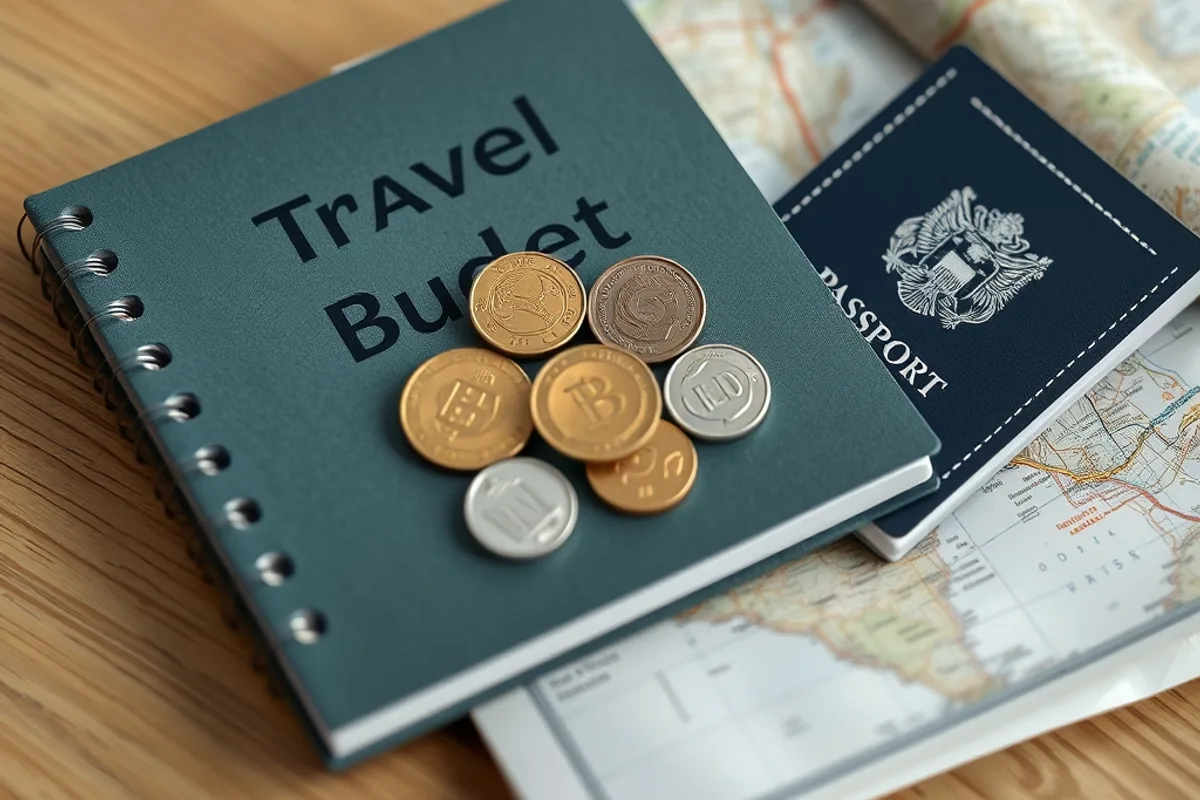
Travel budgets usually fail in the same place: the gap between the daily number in a blog post and the actual receipt. A $100-a-day plan rarely includes the airport train, the bottle of water, the museum audio guide and the one dinner that costs more than the rest combined.
This guide builds a budget from categories, then shows what a week looks like in five different destination types. Use the ranges as a starting point, then adjust for your own style. The point is not to spend as little as possible. It is to spend on purpose.
Key facts
- A useful travel budget starts with the total you can spend, then works backward to a daily limit.
- Accommodation is usually 35% to 45% of a trip budget; transport is the second-largest line.
- A 10% buffer is not optional; it is the line that pays for the taxi you did not plan.
- Budget travel in Portugal or Mexico is roughly $95 to $150 a day for two, excluding flights.
- Japan and Iceland need $220 to $400 a day for two unless you self-cater and travel off-season.
The five lines every travel budget needs
Split the budget into accommodation, transport, food, activities and a buffer. Accommodation and transport are fixed early, so book them first and let the remaining money set your daily food and activity limit. This prevents the common mistake of booking an expensive hotel and then eating crackers for a week.
A workable split for a mid-range trip is 40% accommodation, 25% transport, 20% food, 10% activities and 5% buffer. Budget trips shift more toward transport and food; comfort trips shift toward accommodation. The percentages are a sanity check, not a rule.
What a week costs in five destination types
South-east Asia (Thailand, Vietnam, Malaysia): $70 to $120 a day for two with a comfortable guesthouse, local food and public transport. Add $25 to $50 a day for tours and internal flights.
Southern Europe (Portugal, Spain, Greece) in shoulder season: $130 to $220 a day for two with a mid-range hotel, one paid attraction and a mix of restaurants and markets. August pushes the top end up sharply.
Japan: $220 to $350 a day for two with a business hotel, rail passes and restaurant meals. Self-catering breakfast and fewer long-distance trains bring it closer to $180.
Iceland: $300 to $450 a day for two with a rental car, guesthouse and self-catering. Fuel, tolls and food are the lines that surprise people.
United States (mid-size city): $220 to $380 a day for two with a hotel, rental car and restaurant meals. Parking and tips are real costs, not rounding errors.
A sample week: Portugal in shoulder season
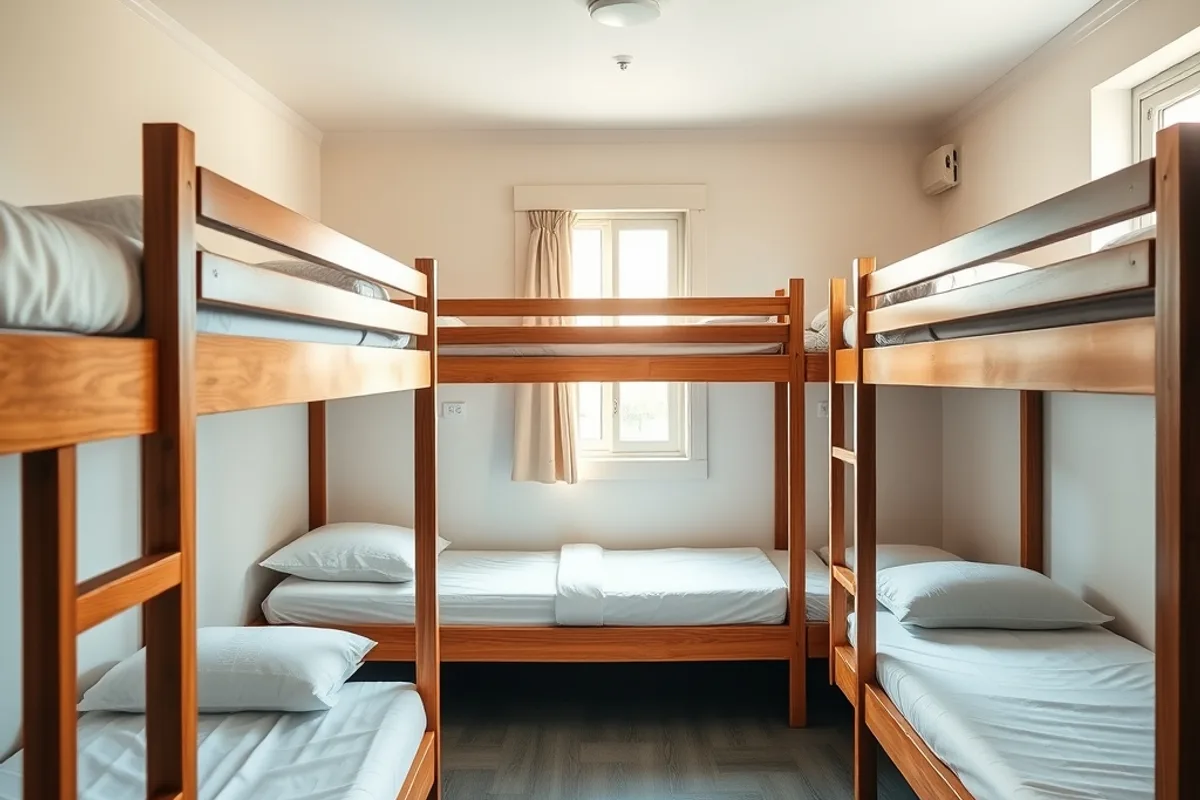
Two travellers, seven nights, one city and one coastal town. Accommodation: €1,050 for a mid-range double with breakfast. Transport: €240 for trains and a shared airport transfer. Food: €420, mixing cafe lunches with two nicer dinners. Activities: €180 for two museum entries, a boat trip and a guided walk. Buffer: €190. Total: about €2,080, or €1,040 per person excluding flights.
That works out to roughly €149 per person per day. It is not a shoestring trip and it is not luxurious. It is a realistic mid-range week with one paid experience most days and enough slack to say yes to a spontaneous lunch.
The same week in August would cost 25% to 40% more for the same rooms. Moving to late September is the single biggest saving available for most European trips.

The costs people forget
Airport transfers, city tax, resort fees, luggage fees, seat selection, travel insurance, roaming charges, laundry, sunscreen, bottled water and tips. None is huge alone. Together they can add 15% to a week. Add them as a line rather than pretending they do not exist.
Also budget for the one thing you will want to buy when you are there: the ceramic bowl, the extra museum, the cooking class. A trip with no room for spontaneity feels poorer than the bank balance suggests.
Where to cut without ruining the trip
Cut the room, not the location. A simple bed in the right neighbourhood beats a nice hotel an hour away. Cut breakfast at the hotel and eat at a local cafe. Cut the rental car in cities and keep it for the countryside. Cut one long-distance move and stay an extra night where you are.
The worst savings are the ones that cost time or safety: the 5am flight with no transport, the remote guesthouse with no food nearby, the unlicensed tour that skips insurance. A budget is supposed to support the trip, not turn it into an endurance event.

Build the buffer, then book
Set the total, allocate the five lines, and add a 10% buffer before you book anything. Then book the fixed costs and check that the remaining daily number is realistic for the destination. If it is not, change the destination or the season, not the buffer.
A good travel budget is not the smallest number you can survive on. It is the number that lets you say yes to the good things without worrying about the taxi home.
A budget is not a restriction. It is the plan that lets you spend on the things you will remember.
What to do next
Use a 40/25/20/10/5 split as a starting point, then adjust after you price the first hotel and train. Add the 10% buffer before you book.
For ways to lower the two biggest lines, read how to save on flights and hotels. For a cheaper destination shortlist, see our eco tourism picks.
Official source: Numbeo cost of living data.