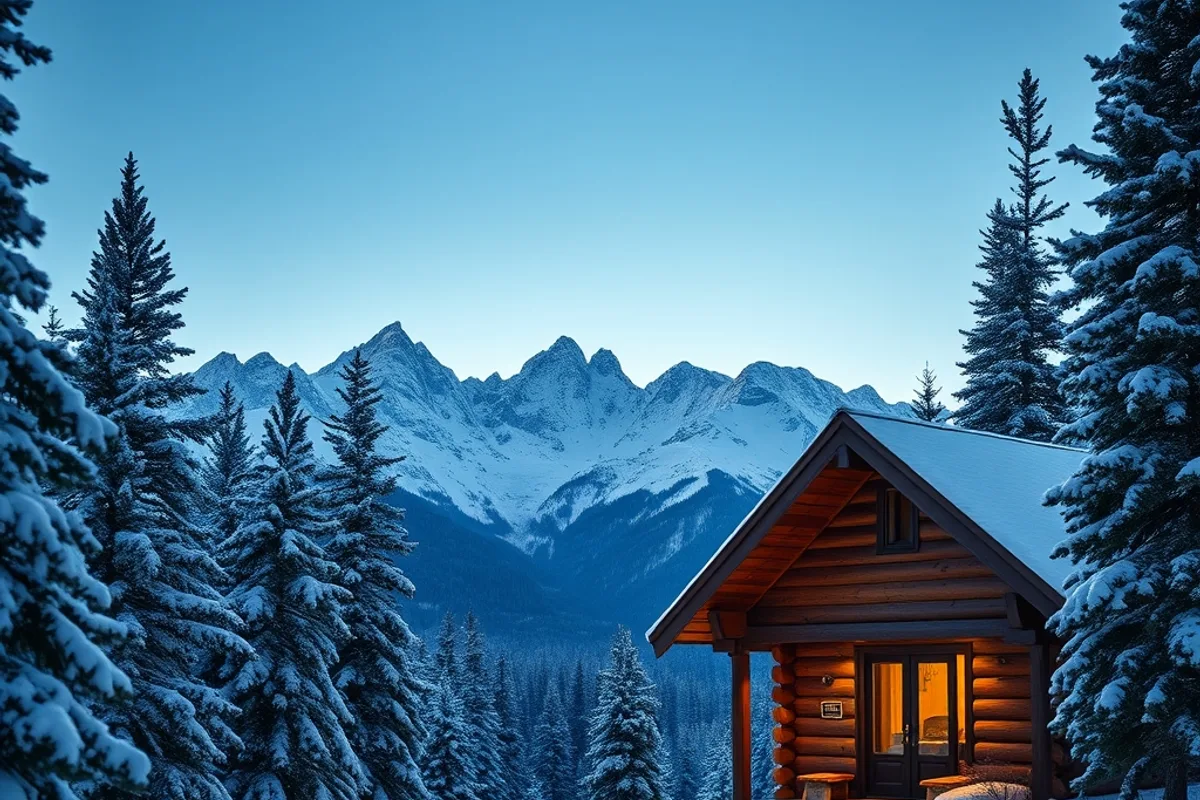
The best mountain retreat is not the one with the most dramatic photograph. It is the one where the heating works, the road is passable, the host answers the phone and the walk starts at the door. Views are easy to sell. Comfort and access are the real differentiators.
These seven stays cover different mountain cultures and budgets, from a Dolomites family lodge to a Japanese onsen town. For each, we name the best season, the access reality and the kind of traveller it suits.
Key facts
- Mountain cabins are often cheaper in the shoulder weeks before and after ski season, but access roads and lifts may be closed.
- Altitude above 2,500 metres can affect sleep and appetite even in fit travellers.
- Check whether the road to the cabin is paved, ploughed and suitable for a normal car.
- Off-grid lodges may have limited power and no phone signal; ask before you book.
- A nearest-shop distance of 30 minutes is normal in the mountains; plan food accordingly.
How we chose these retreats
We looked for places with year-round access, a genuine sense of place and a host who can explain the local weather. We excluded properties that rely on a single seasonal lift or a road that is only safe in perfect conditions. We also weighted food: a remote lodge with good dinners is a different proposition from one where you must drive 40 minutes for a meal.
Prices are 2026 planning ranges for a double room or a two-person cabin, excluding flights. Peak ski weeks and public holidays can double them.
Dolomites, Italy
The Dolomites combine dramatic limestone peaks with a deeply practical mountain culture. Family-run guesthouses in Val Gardena or Alta Badia offer half-board, a sauna and bus access to trailheads. In summer, the lifts and buses make car-free walking realistic; in winter, the same villages become ski bases.
Expect €140 to €260 a night for a good double with breakfast in shoulder season, more at Christmas. Book half-board if you are staying high up; the nearest restaurant may be a 40-minute walk. Late June and early September are the sweet spots for walkers.
Banff and Kananaskis, Canada
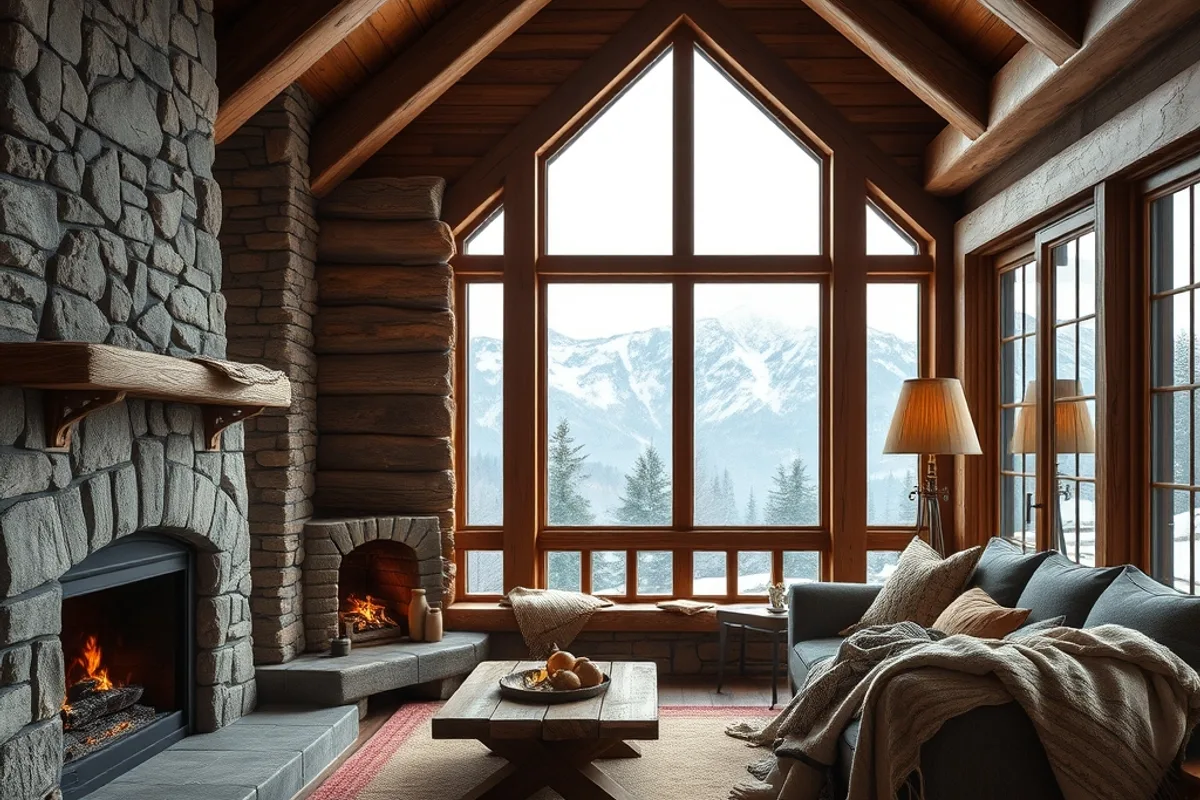
Banff is the easy introduction to the Canadian Rockies: a real town, frequent shuttles and enough lodges to suit most budgets. Kananaskis, just south, is quieter and better value for a cabin with a kitchen. Both put you within reach of serious hikes without a expedition.
Summer is short and expensive; late September brings larch colour and lower rates. A two-bedroom cabin in Kananaskis runs about CAD 280 to 450 a night. Wildlife rules are strict: store food properly, keep distance and carry bear spray where advised.
Chamonix, France
Chamonix is a working mountain town rather than a resort bubble. The valley has a train, a bus network and a huge range of hikes from valley floor to high alpine. It is also busy and expensive in July and August, when the Mont Blanc crowds arrive.
Go in June or September for quieter trails and better room rates. A three-star hotel with breakfast is around €120 to €200 a night; apartments can be better value for a week. Check lift opening dates before you plan a high-altitude hike.
Norwegian fjords and cabins
Norway does remote comfort well. A self-catering hytte in the mountains near Voss or Geilo gives you a kitchen, a wood stove and a trail network that starts outside. It is not cheap, but it is a genuine escape from traffic and crowds.
Expect NOK 1,200 to 2,200 a night for a cabin that sleeps four. Bring food from a supermarket; mountain shops are limited and expensive. Summer is best for hiking; winter requires winter tyres and real cold-weather kit. Check whether the access road is tolled or closed in snow.
Carpathians, Romania
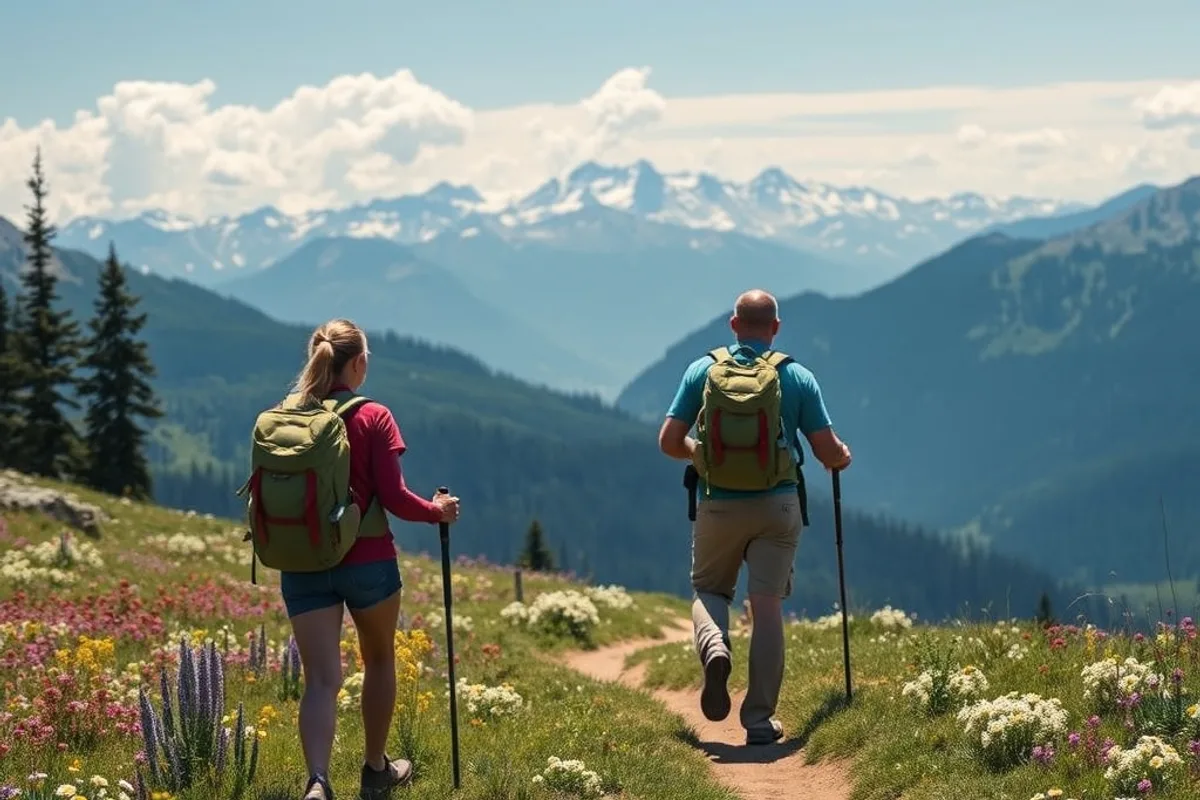
Romania offers the same mountain pleasures at a much lower price. The Piatra Craiului and Bucegi areas have guesthouses with home cooking, marked trails and bears that require sensible food storage and a guide on remote routes.
A good guesthouse with half-board is €60 to €110 a night for two. Transport is the weak point: a car helps, and rural buses are slow. Go in June or September for wildflowers and stable weather. This is not a resort experience, and that is the point.
Japanese Alps and onsen towns
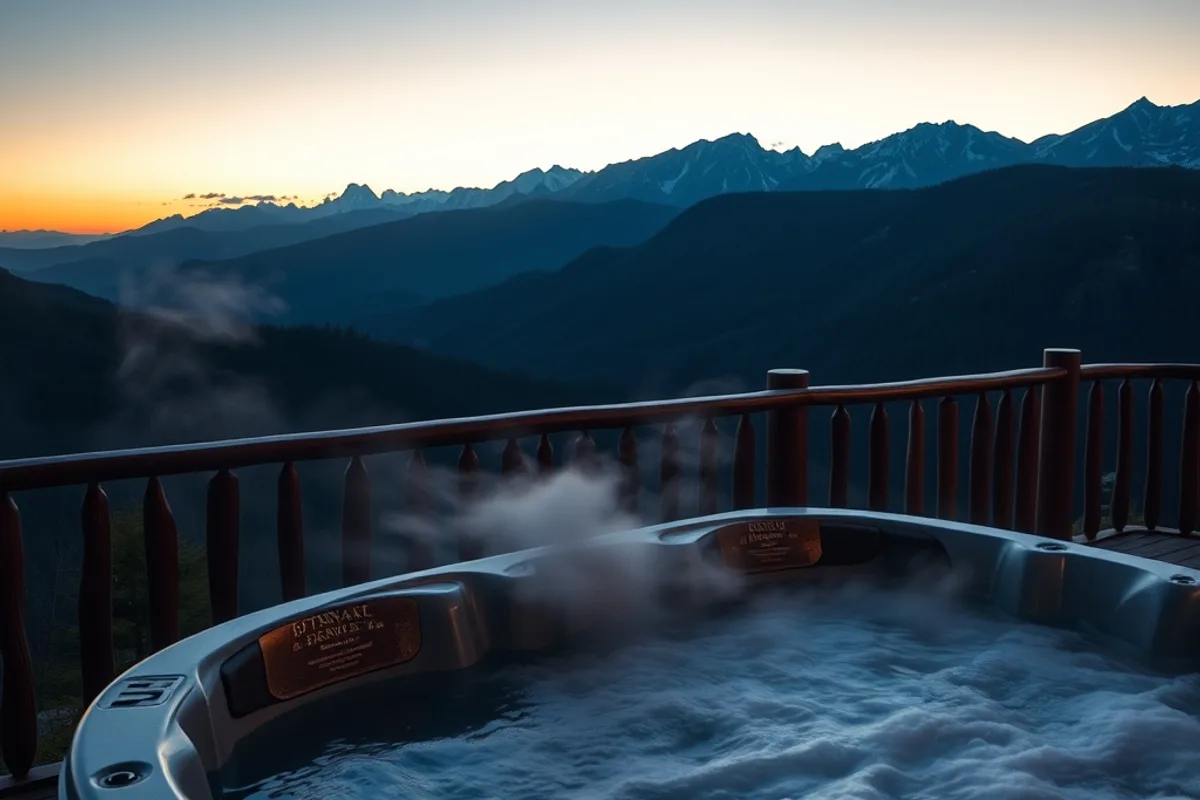
A Japanese mountain retreat often means a ryokan in a hot-spring town, with tatami rooms, a set dinner and a bath that does more for tired legs than any spa. Kamikochi and the surrounding Northern Alps offer serious hiking, while towns such as Hirayu Onsen are accessible by bus.
Expect ¥25,000 to ¥45,000 per person for a ryokan with dinner and breakfast. Book early for autumn colour. Check tattoo policies for baths, and note that many mountain facilities close in winter. The trade-off is formality: this is a structured stay, not a DIY cabin.
Engadine, Switzerland
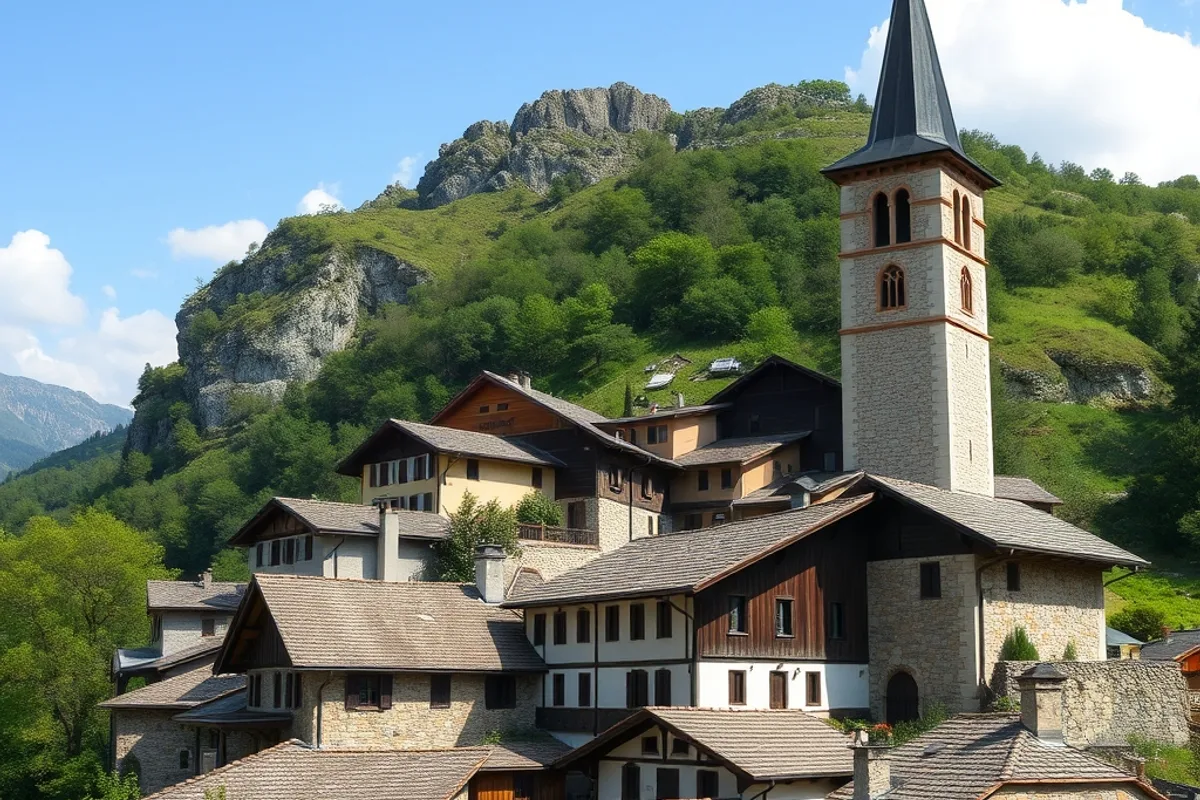
The Engadine valley is expensive and worth it if you want reliable trains, clear signage and lake-and-mountain scenery without a car. Base in Pontresina or Zuoz for a quieter stay than St Moritz. The rail network is excellent, and many walks start at a station.
A mid-range hotel with breakfast is CHF 180 to 320 a night. Self-catering apartments bring the cost down for a week. Summer and early autumn are best for hiking; winter is ski season with corresponding prices. Book restaurants ahead in high season.
Which mountain retreat fits you?
For a first mountain trip with minimal logistics, choose the Dolomites or Banff. For a car-free high-alpine experience, Chamonix or the Engadine. For value and a wilder feel, the Carpathians. For a cabin and a kitchen, Norway. For a restorative, structured stay, a Japanese onsen town.
Whatever you choose, ask three questions before booking: how do I reach the door, what is open when I arrive, and who do I call if the weather turns? The answers decide more than the view.
A mountain retreat is only as good as its access road, its heating and the person who answers the phone when the weather changes.
What to do next
Book the access and the food before the view. A cabin with a kitchen and a ploughed road beats a dramatic lodge you cannot reach.
For the planning detail, read planning a mountain retreat. For a wider trip budget, see what a week really costs.
Official source: US National Weather Service.