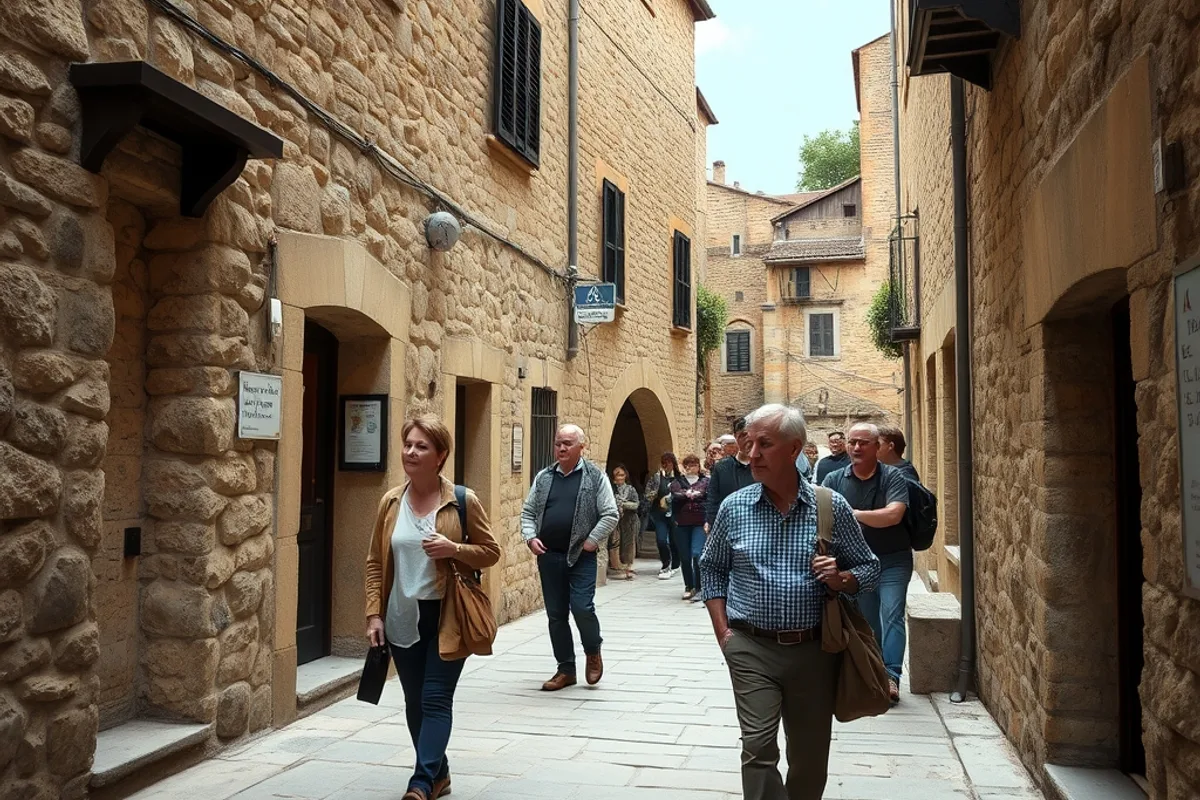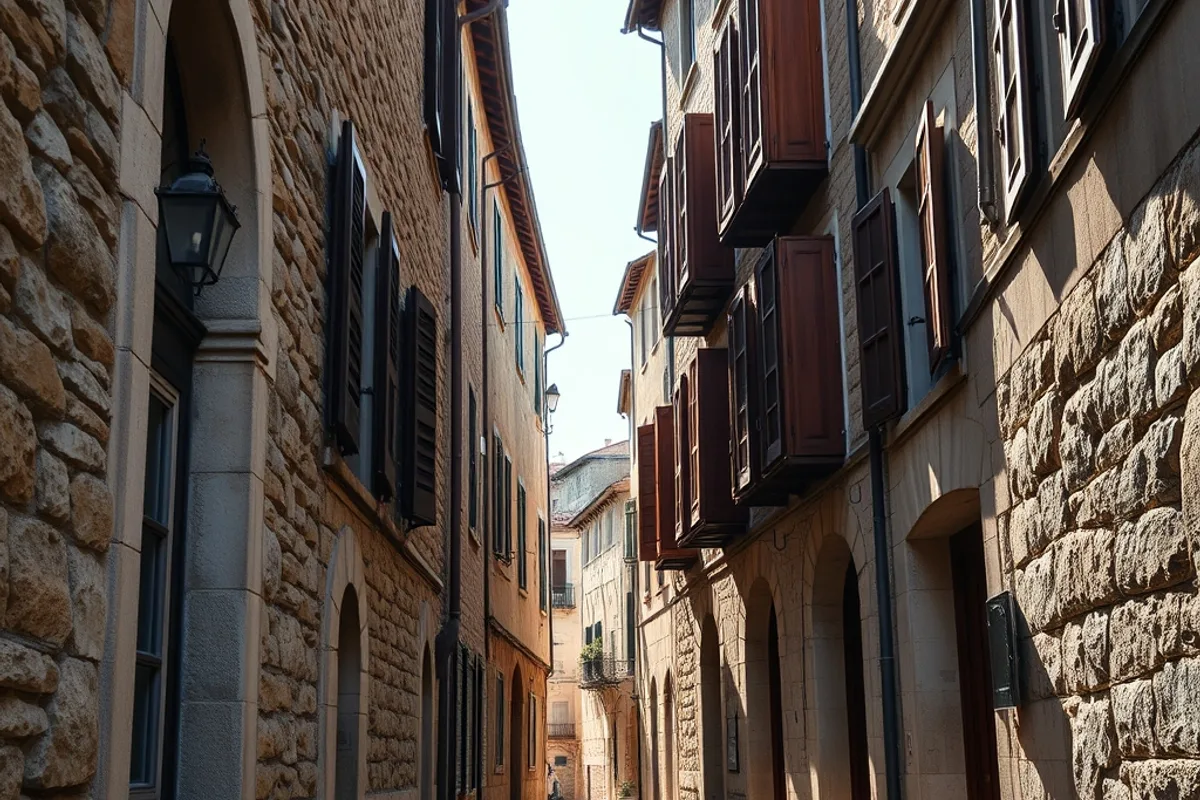
Cultural tourism is often reduced to a checklist of monuments. The better version is slower: a market, a workshop, a meal, a conversation and a walk through a neighbourhood where people actually live. The places below reward that approach.
Each destination has a different rhythm and a different set of etiquette rules. We cover the season, the cost and the one thing not to do, because respect is part of the itinerary.
Key facts
- Cultural tourism works best when you stay at least three nights in one place.
- A local guide costs money but usually improves both the experience and the local benefit.
- Ask before photographing people, ceremonies and religious sites.
- Shoulder season reduces crowding at major heritage sites and lowers hotel rates.
- Buy crafts directly from makers where possible, and pay the asking price without aggressive bargaining.
Kyoto, Japan
Kyoto is the classic cultural destination, and it is still possible to visit well. Skip the busiest temples at midday, walk the quieter lanes before 8am and spend an afternoon in a craft workshop rather than another souvenir shop. The city rewards repetition: one neighbourhood, several visits.
Stay three to four nights, use buses and the subway, and book a small machiya guesthouse if you want a sense of the old town. Expect ¥18,000 to ¥35,000 a night for a good double. Go in late March or November for atmosphere, but accept the crowds, or choose June for green temples and fewer people.
Marrakech, Morocco
Marrakech is intense, and that is part of the appeal. The medina is a living market, not a museum, and the best experience is to accept the noise and learn the rhythm. Hire a licensed guide for the first morning, then explore on your own.
Riads inside the medina offer calm courtyards from about €80 to €180 a night. Visit in March or October for comfortable temperatures. Dress modestly in residential areas, ask before photographing stallholders and agree on a price before you buy. The city is safer and friendlier than its reputation suggests when you respect the rules.
Oaxaca, Mexico
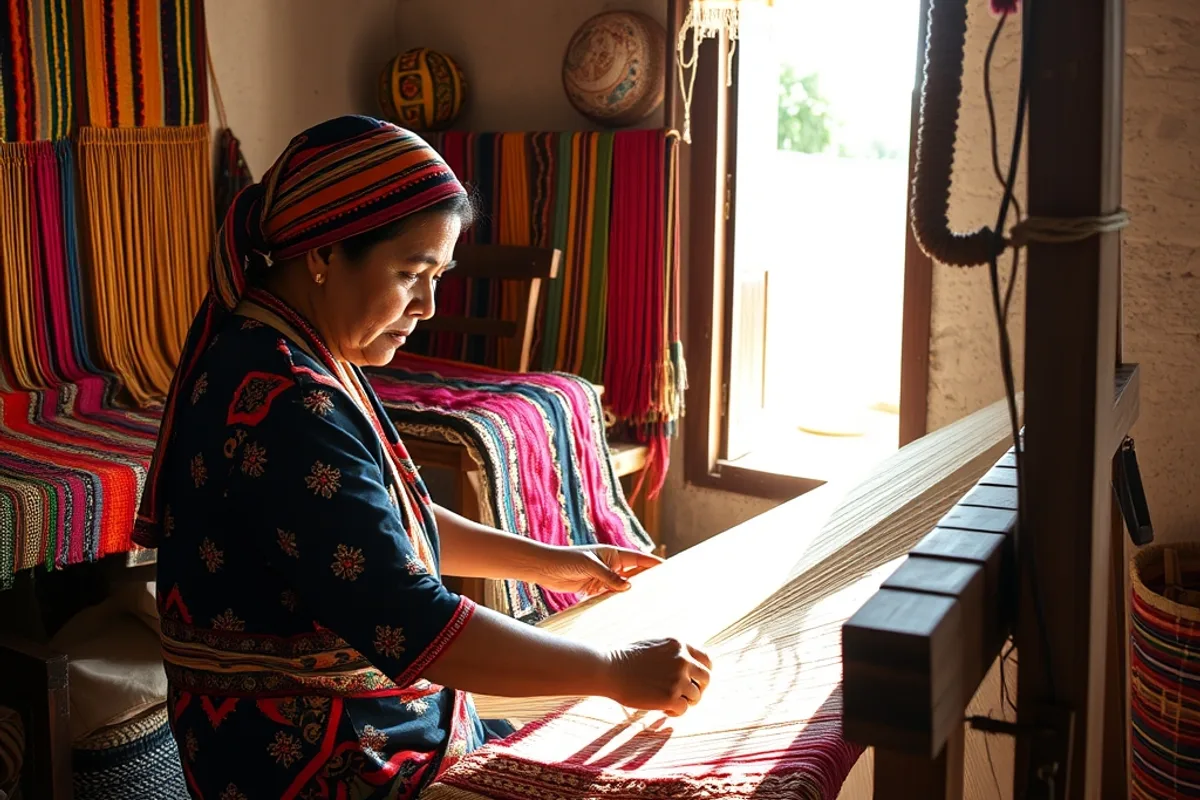
Oaxaca is one of the best places in the Americas to see living craft traditions. Textiles, pottery and mezcal are made by families who have worked the same techniques for generations. The city's markets and Day of the Dead season are famous, but the quieter villages are where the real work happens.
Base in the city centre and take a local bus or colectivo to craft villages. A boutique hotel is $100 to $220 a night; a family guesthouse is much less. Visit in October or November for the best weather and cultural calendar, and book accommodation early for Day of the Dead.

Istanbul, Turkey
Istanbul is a city where empires, religions and neighbourhoods layer on top of each other. The historic peninsula gets the crowds, but Beyoglu, Kadikoy and the ferries across the Bosphorus show a living city. Give it four nights and use the tram and ferries rather than taxis.
A good boutique hotel is €90 to €200 a night. Spring and autumn are ideal. Dress respectfully for mosques, carry a scarf and visit outside prayer times. Check current travel advice before booking, and support local businesses in neighbourhoods still recovering from the tourism slump.
Rajasthan, India
Rajasthan is a test of pacing. Jaipur, Jodhpur and Udaipur are extraordinary, but three cities in five days is a blur. Pick two and add a village stay. The heritage is not only palaces; it is block printing, camel herding and the daily life around the stepwells.
A heritage haveli is $70 to $200 a night. October to March is the comfortable season. Hire a local guide, agree on prices in advance and dress modestly outside the cities. The heat in April and May is not a joke; plan around it rather than powering through.
Tbilisi, Georgia
Tbilisi has become a popular stop, but it still feels like a city rather than a stage. The old town's wooden balconies, the sulfur baths and the food culture are the draw. Georgian hospitality is generous, and a supra (feast) is a cultural experience as much as a meal.
A boutique guesthouse is €60 to €140 a night. Spring and autumn are best. Learn a few words of Georgian, ask before photographing people and be aware that attitudes to LGBTQ+ travellers are less liberal than in Western Europe. Check current advice and travel accordingly.
Cusco and the Sacred Valley, Peru
Cusco is the gateway to Machu Picchu, but the city and the Sacred Valley deserve more than a transit stop. Quechua culture, textile cooperatives and high-altitude markets are the heart of the region. Give yourself three days to acclimatise before any serious trek.
Boutique hotels in Cusco are $80 to $180 a night; valley lodges are similar. May to September is dry season and busy. Book Machu Picchu permits and train tickets well ahead. Buy textiles from cooperatives rather than street sellers, and ask before photographing weavers at work.
How to choose
For a first cultural trip with easy logistics, choose Kyoto or Istanbul. For craft and food, Oaxaca. For markets and medinas, Marrakech. For palaces and colour, Rajasthan. For a rising destination with excellent food, Tbilisi. For high-altitude heritage, Cusco.
The common rule is simple: stay longer, hire local, ask first and spend where it stays. That is what turns a sightseeing trip into a cultural one.
Culture is not a backdrop for a photograph. It is someone's daily life, and the best visits pay it the courtesy of slowing down.
What to do next
Choose two bases, not five, and book a local guide for the first morning. The rest of the trip will be better for it.
For the etiquette detail, read cultural tourism done right. For costs, see the travel budget guide.
Official source: UNESCO World Heritage Centre.