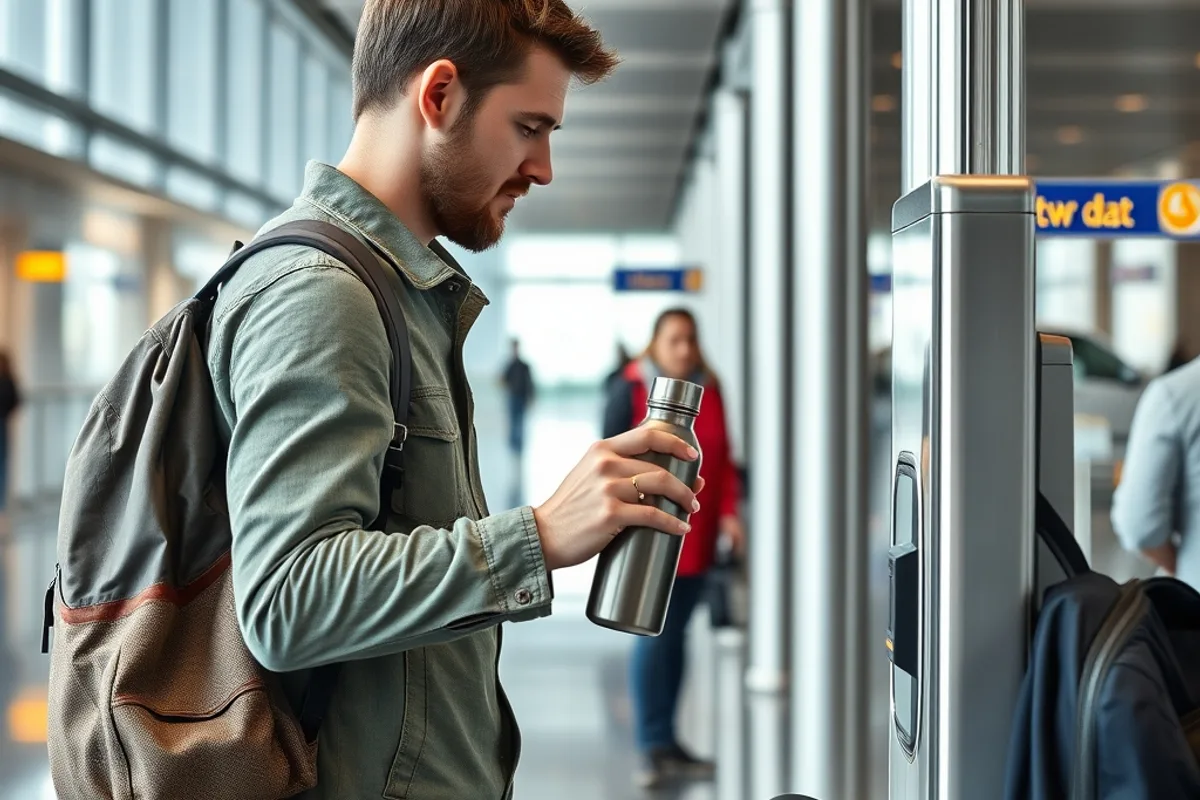
Green travel advice tends to fall into two camps: buy a bamboo toothbrush, or never fly again. Neither is useful for most people. The practical middle is to cut the biggest impacts first, then fix the smaller ones without pretending they are equivalent.
These nine steps are ordered by impact, not by how good they look on social media. Do the first three and you will have done more than a year of reusable straws. Do all nine and the trip will usually be cheaper and calmer too.
Key facts
- One long-haul return flight can produce more emissions than a year of local commuting for many people.
- Trains emit far less per passenger-kilometre than short-haul flights on routes where both exist.
- A packed cabin bag cuts weight, which lowers fuel burn and makes rail and bus transfers easier.
- Certified eco-labels vary; ask for specifics on energy, water and waste rather than trusting a leaf logo.
- Offsets are a last resort, not a substitute for flying less or staying longer.
1. Replace one flight with a train or bus
Air travel dominates most trip footprints, especially long-haul. You do not have to give it up entirely. Pick the route where a train is genuinely competitive, usually under six hours, and make that swap. Paris to Lyon, Tokyo to Kyoto, Barcelona to Valencia and Boston to New York all work better by rail once you count airport time.
Book early, travel outside Friday peak and compare the total door-to-door time rather than the scheduled journey. A five-hour train that leaves from the city centre often beats a one-hour flight that requires two airport transfers.
If you must fly, fly direct. Take-off and landing are the most fuel-intensive phases, and a direct route usually beats a cheap connection with a long layover.

2. Pack lighter than you think
Weight costs fuel on every mode of transport. A 23 kg checked bag is not free in environmental terms, and it makes you dependent on taxis and porters. A 7 kg cabin bag is easier on trains, buses, stairs and small guesthouses.
Build a capsule wardrobe around two colours and one pair of comfortable shoes. Take two days of laundry rather than ten days of clothes. Most hotels and laundrettes charge less than a checked-bag fee, and you will walk further when you are not hauling a suitcase.
3. Carry a bottle and a filter
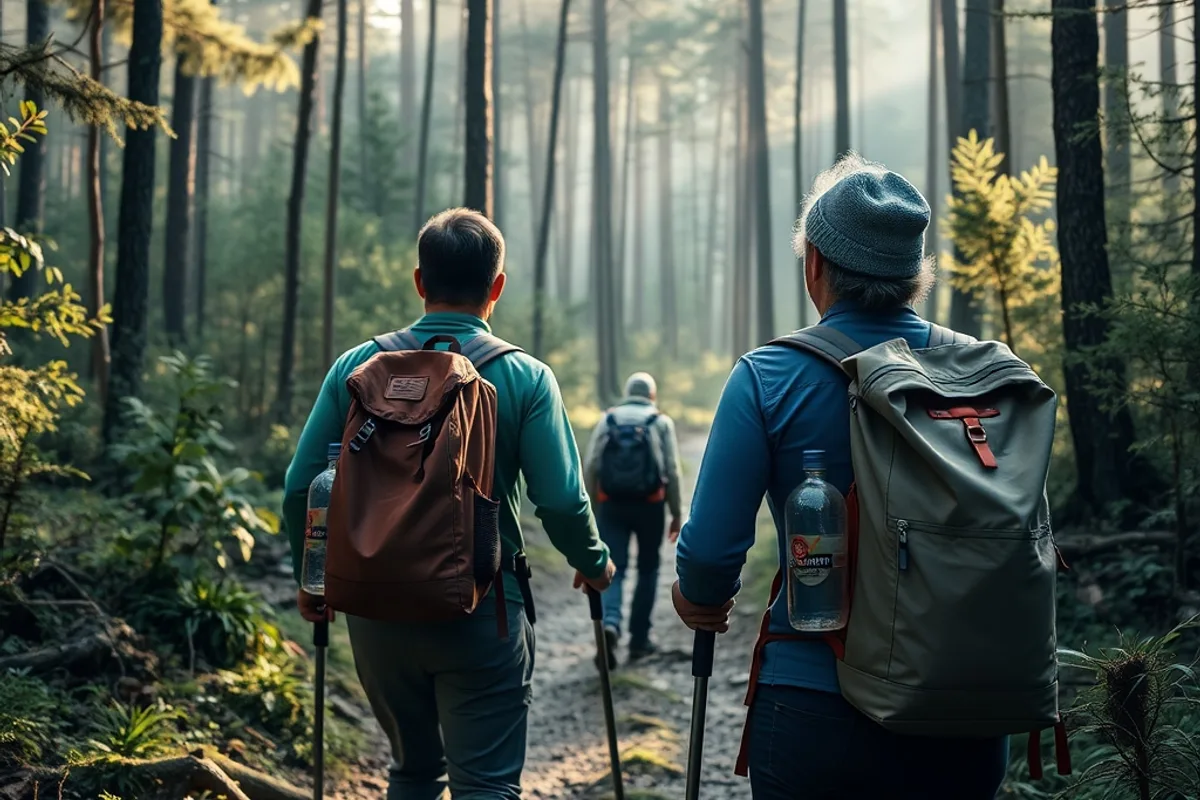
Bottled water is one of the most visible waste streams in travel, and in many places it is unnecessary. A reusable bottle plus a filter or purification tablets handles tap water that is safe but tastes odd, and refill stations are now common in airports, stations and hotels.
Check local advice before drinking tap water. In places where it is not safe, buy a large container for the room rather than a small bottle every few hours, and refill from that. A filter bottle pays for itself in about a week.
4. Ask hotels the awkward questions
A green leaf on a booking page is not evidence. Ask three questions before you reserve: where does the hotel's electricity come from, how does it handle food waste, and does it employ local staff at living wages? A good hotel answers with specifics and is not offended.
Small independent guesthouses often outperform big chains on waste and local sourcing, but not always on water and energy. Look for properties with a published sustainability page, not a generic paragraph. Certification schemes help, but the details matter more than the badge.
5. Eat local, seasonal and plant-forward
Food is a meaningful part of a trip's footprint, and it is also where your money can do the most good. Eat at local restaurants, buy from markets and choose dishes built on what grows nearby. A plant-forward meal or two a day cuts impact without requiring a strict diet.
Avoid imported bottled drinks and single-use cutlery, and carry a small container for leftovers. In destinations with water scarcity, choose local grains and vegetables over water-intensive imports. The menu is a map of the local economy if you read it that way.

6. Use public transport and your feet
The cheapest and lowest-impact way to see a city is usually a day pass and a pair of shoes. Research the airport train before you land, download the local transit app, and choose accommodation near a stop rather than near a motorway.
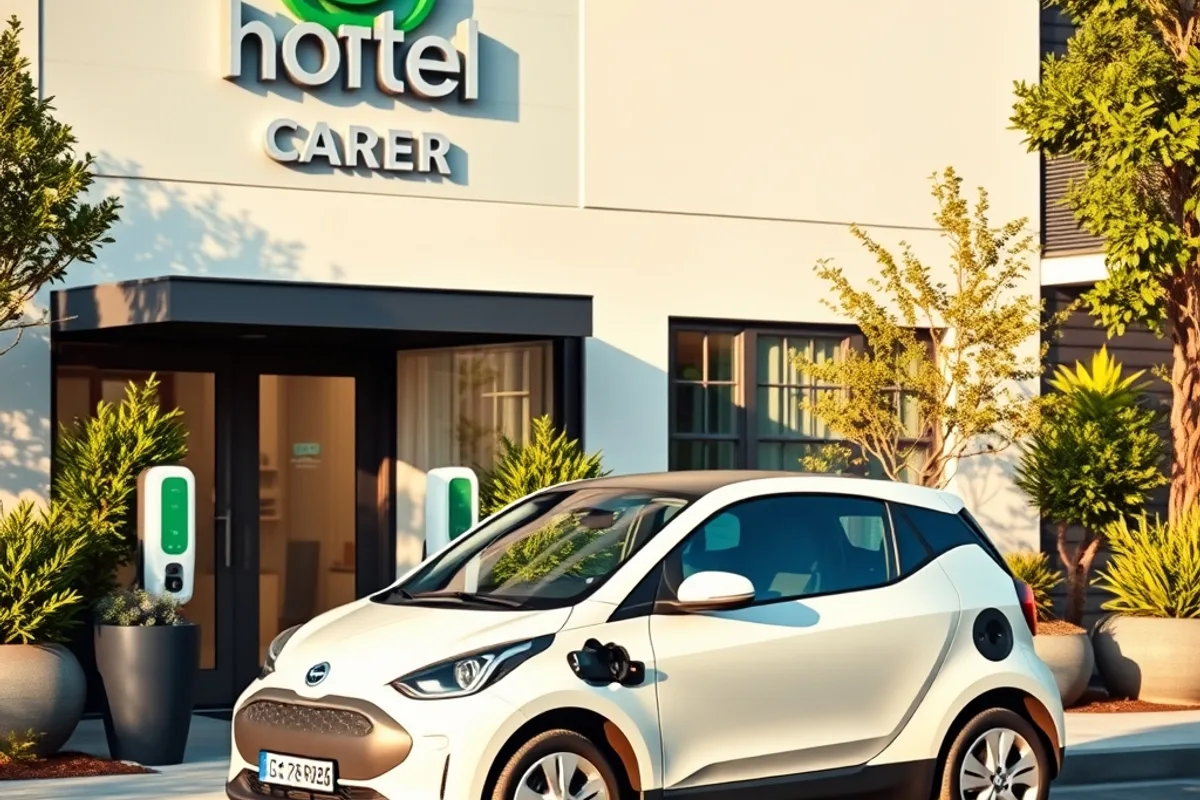
If you need a car, rent the smallest one that fits and consider electric where charging is reliable. For day trips, a coach or shared shuttle usually beats a private transfer. Walking tours led by local guides are often the best value of the whole trip.
7. Skip animal entertainment
Riding elephants, posing with tigers and dolphin shows are not conservation. They are businesses built on animal stress, and the greenwash is often thick. Choose sanctuaries that do not allow handling, and look for operations that explain their rescue policy and release criteria.
Wildlife watching at a respectful distance is different. Use certified guides, follow park rules, do not feed animals and keep drones away. If an operator promises close contact, that is the warning sign.
8. Treat offsets as a last resort
Offsets can fund useful projects, but they do not cancel a flight. The market has quality problems, and a cheap offset is often closer to a donation than a tonne-for-tonne removal. If you use one, choose a provider that publishes its methodology and verification, and pay the real cost.
The better order is: avoid the flight, take the train, stay longer, then offset what remains. A €10 offset on a €600 flight is not a plan. It is a rounding error with a green label.
9. Measure once, then change one thing
You cannot improve what you do not measure, but you also do not need a consultant. Estimate the big pieces: flights, car days, nights in hotels, meals. Then pick the single largest item you can realistically change next time.
For most people that is one flight. For a road-trip traveller it may be the car. For a city break it may be the hotel. Change one thing per trip, and the improvement compounds without turning travel into a moral exam.
The realistic verdict
Green travel is not a purity contest. It is a series of trade-offs made with better information. The most effective steps are also the ones that tend to make a trip more enjoyable: slower transport, lighter bags, longer stays and more local food.
Start with the biggest impact, be honest about the rest and avoid green marketing that cannot answer a direct question. That is enough to travel meaningfully better in 2026.
Cut the flight before you buy the bamboo toothbrush. Impact is not distributed evenly, and neither is guilt.
What to do next
Pick one transport swap and one lodging question for your next trip. Those two changes do more than a suitcase full of eco accessories.
Next, compare low-impact destinations in our eco tourism guide or work out the real cost with our travel budget breakdown.
Official source: US Environmental Protection Agency.