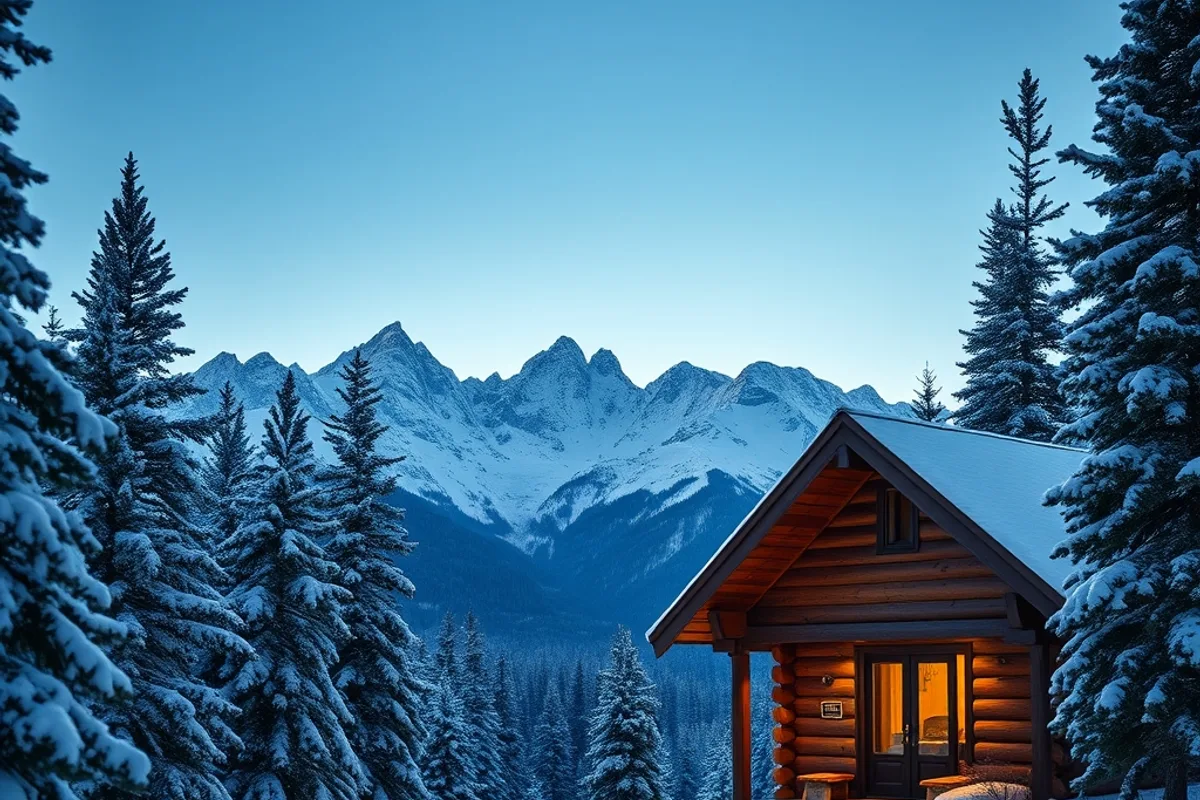
A mountain trip rewards planning more than most holidays because the environment is less forgiving. The difference between a great week and a cold, hungry one is usually not courage. It is a warm layer, a confirmed road, a food plan and a backup day.
This guide covers the decisions that matter before you book: how you will reach the door, how high you will sleep, what you will wear and what you will eat. It also includes a realistic cost build for a cabin week.
Key facts
- Weather changes faster above 1,500 metres; pack for three seasons even in summer.
- Altitude sickness can start above 2,500 metres and is not prevented by fitness alone.
- Confirm whether the access road is paved, ploughed and suitable for a two-wheel-drive car.
- Remote lodges may have limited power, no phone signal and no food service outside set hours.
- Budget 15% to 25% extra for mountain transfers, gear rental and weather contingency.
1. Confirm access before you book
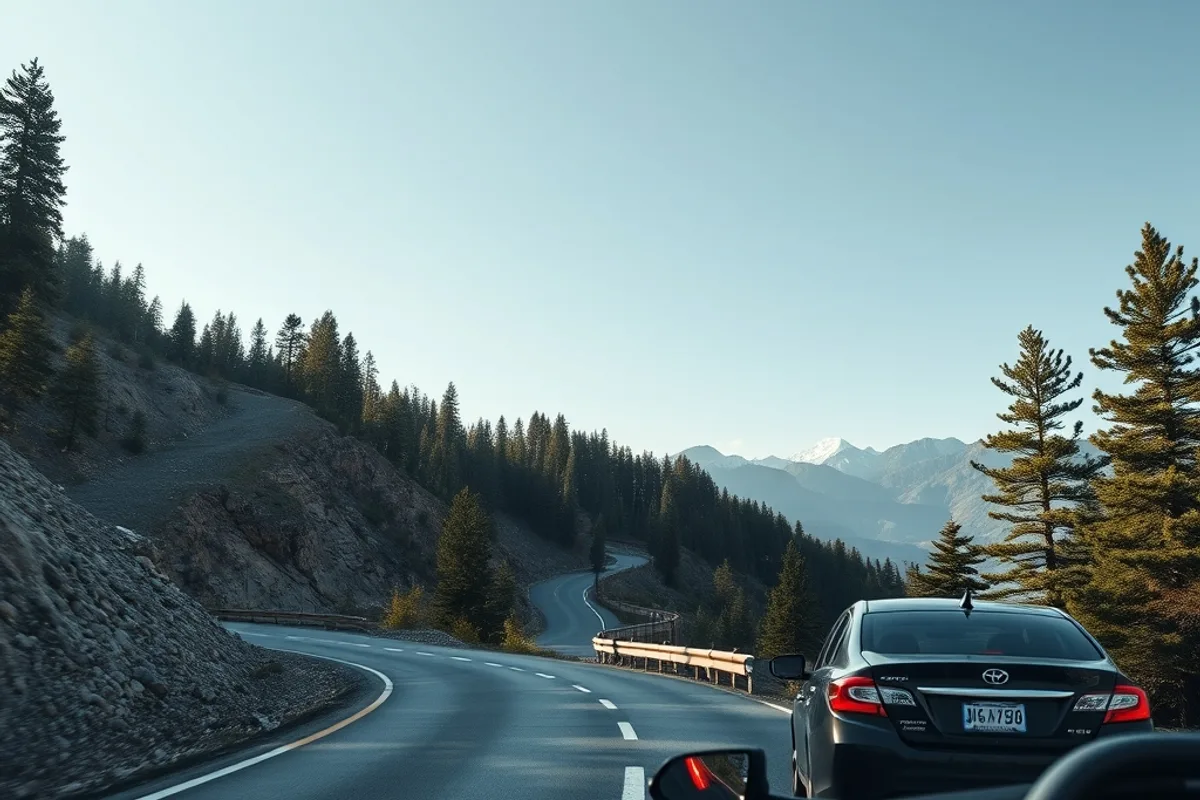
Ask the host for the road condition in the month you are travelling, not the month they like best. Is it paved? Is it ploughed? Does it require four-wheel drive? Is there a gate or toll? A cabin that is easy in July can be a serious drive in January.
Check the nearest train or bus stop and the transfer cost. Some mountain villages have excellent public transport; others have one bus a day. If you are arriving late, confirm that the host can meet you or that the key access works after dark.
2. Respect the altitude
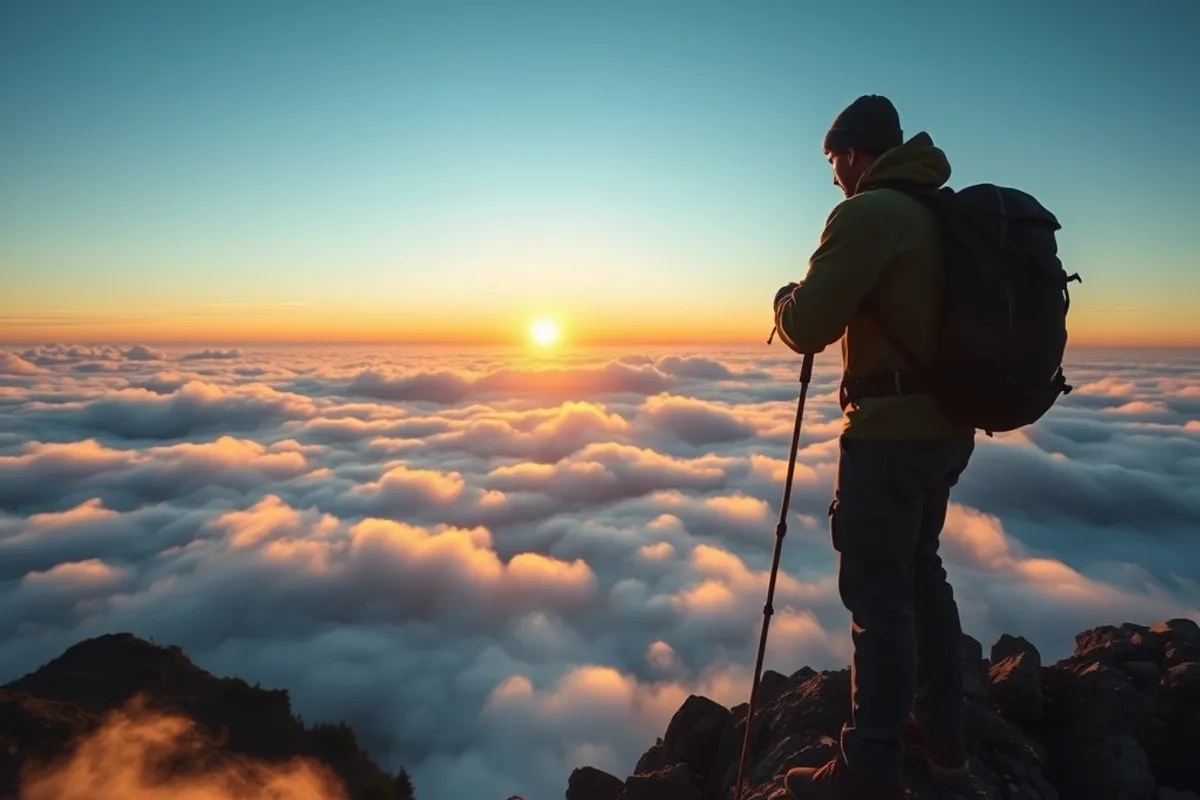
Altitude sickness is not a character flaw. It can affect fit, young travellers, and it usually starts with a headache, poor sleep and loss of appetite above 2,500 metres. Ascend slowly, drink water, avoid alcohol on the first night and descend if symptoms get worse.
If you are sleeping high, build a night at a lower altitude first. Do not plan a hard hike on arrival day. Travellers with heart or lung conditions should ask a doctor before booking a high-altitude lodge.
3. Pack for three seasons
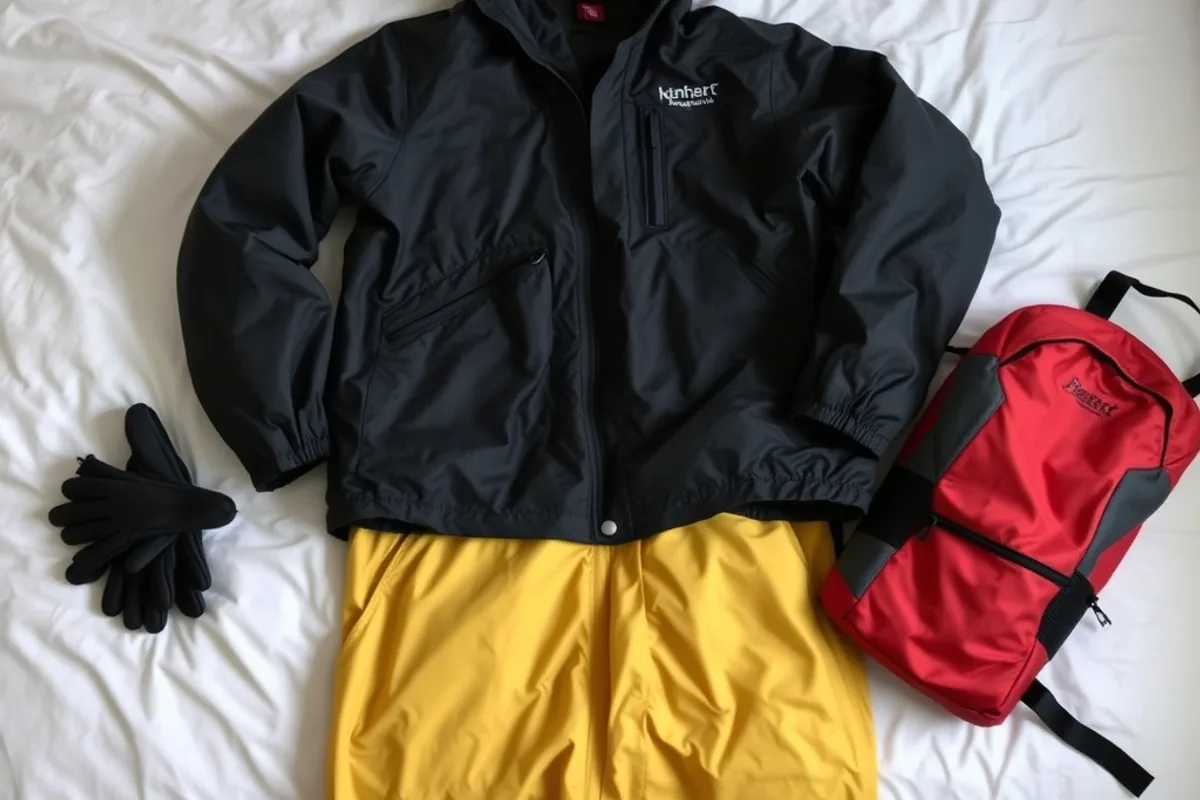
Layering beats a single thick jacket. Start with a moisture-wicking base, add an insulating mid-layer and finish with a waterproof shell. Carry gloves and a warm hat even in summer; a sunny morning can turn into a cold, wet afternoon at altitude.
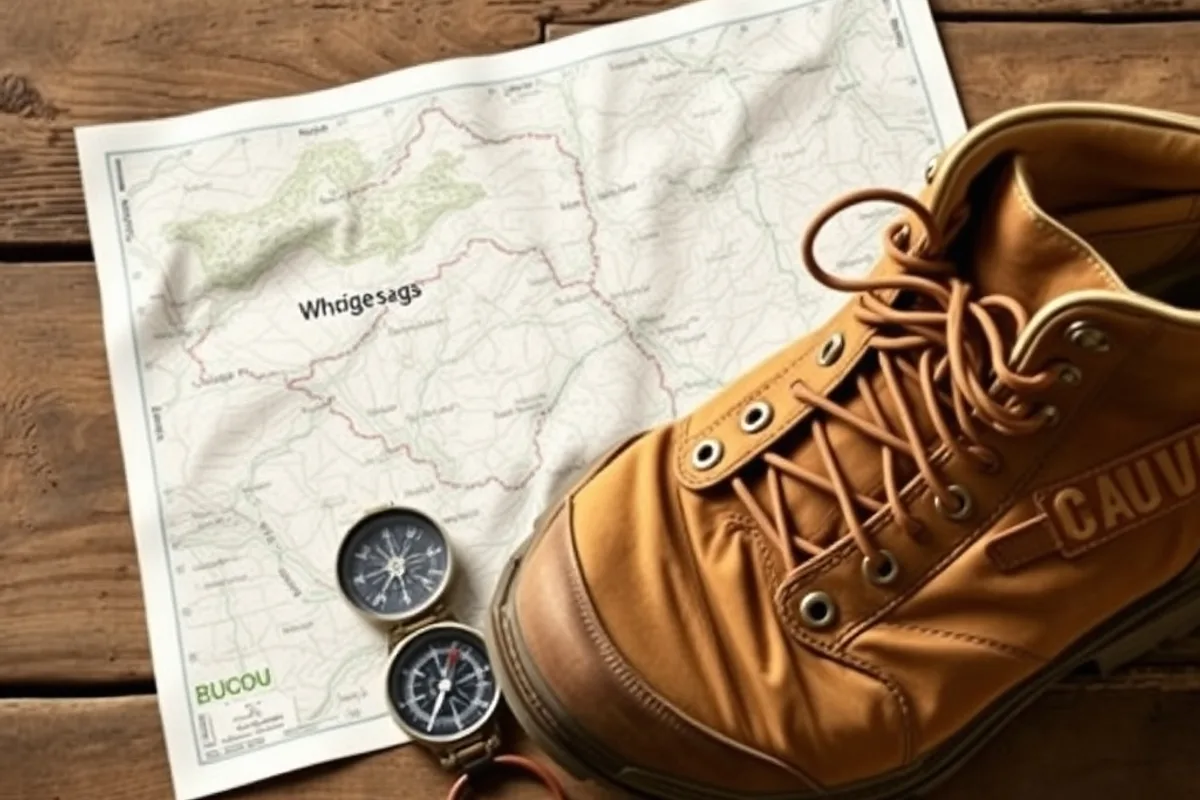
Footwear matters more than fashion. Use broken-in boots with grip, and bring blister plasters. A headlamp, a power bank and a small first-aid kit are standard for any cabin stay. If you are hiking alone, carry a paper map and tell someone your route.
4. Plan food like a local
Check whether the lodge serves dinner and at what time. Many remote properties offer half-board only, and the nearest shop may be 30 minutes away. If you are self-catering, buy the heavy items before you climb and carry a few emergency meals.
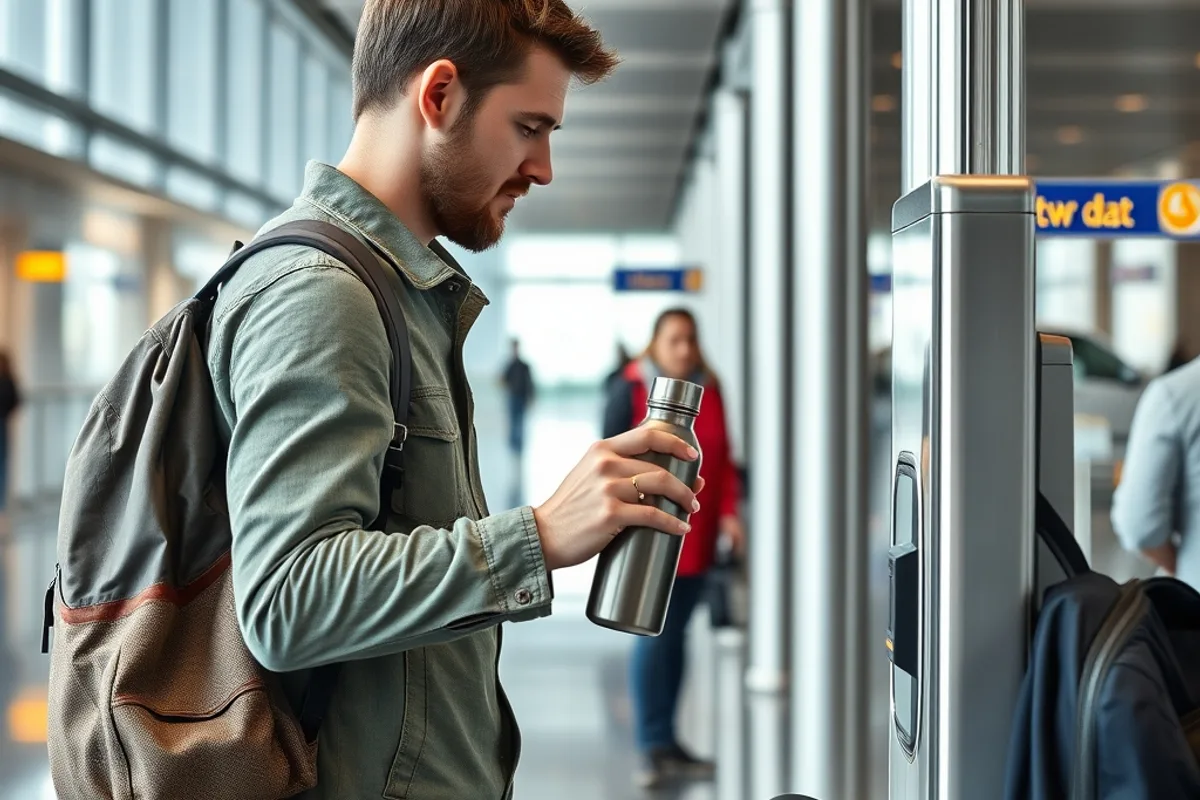
Water is the other essential. Ask whether tap water is drinkable and whether the cabin has a filter. In winter, pipes can freeze; in summer, supplies can be limited. A refillable bottle and a backup container are worth the weight.
5. Check power, signal and emergencies
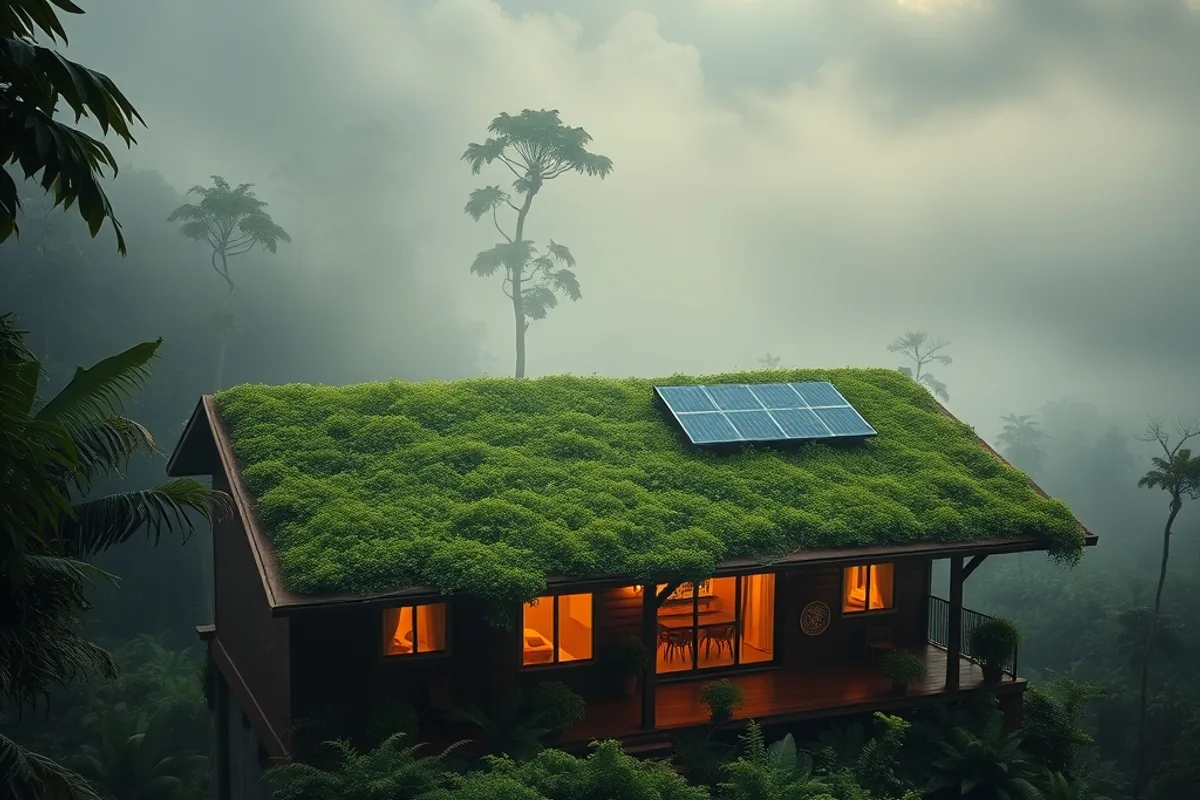
Ask about electricity, heating and mobile coverage. Some eco-cabins run on solar and limit power hungry devices. Others have a generator that runs only in the evening. Download offline maps and save the nearest medical centre before you lose signal.
Confirm the emergency plan: who to call, how long a rescue takes and whether the host has a satellite phone. This is not over-planning. It is the basic information every remote stay should provide.
6. Build a realistic cost
For a seven-night cabin week for two in the Alps or Rockies, plan €1,200 to €2,400 for accommodation, €250 to €500 for transport, €300 to €500 for food and €150 to €300 for activities and gear rental. Add 15% to 25% for weather contingency and transfers.
Shoulder season is the best value, but check what is open. A closed lift or restaurant can turn a bargain week into a driving holiday. Read recent reviews and ask the host directly what is operating in your dates.
The pre-booking checklist
Confirm access, altitude, heating, food and signal. Pack layers, boots and a headlamp. Build a buffer and a backup day. Then book, and send the host your arrival time and any dietary needs.
The mountain does not need to be conquered. It needs to be respected, and a little planning is the best form of respect.
The mountain does not care how fit you are. It cares whether you brought a shell, a map and a plan for the last kilometre.
What to do next
Book access and food before the view, and add a weather day to the itinerary. That single decision prevents most mountain-trip misery.
For specific stays, read the best mountain retreats for 2026. For the wider budget, see our week-long cost guide.
Official source: US National Weather Service.