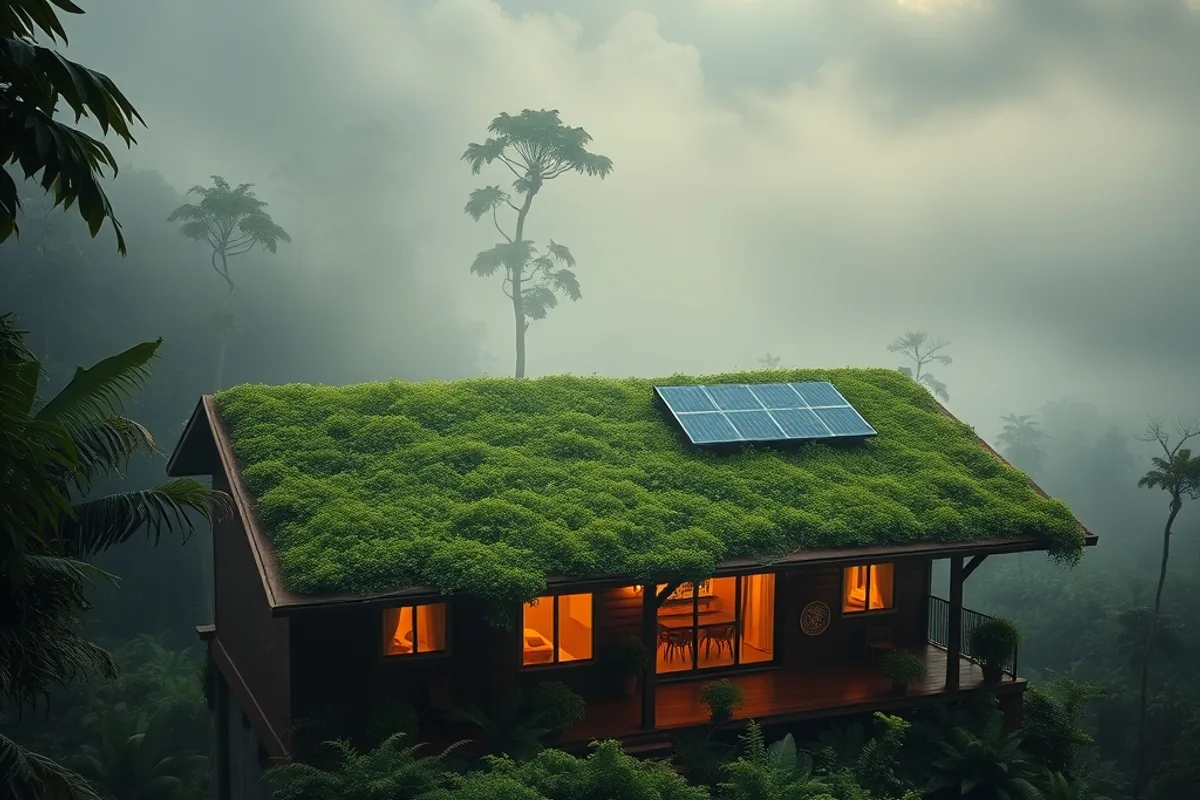
Eco tourism has a measurement problem. Almost every hotel now claims to be green, and almost every tour can be described as sustainable if the brochure is vague enough. The useful question is narrower: does this trip keep money local, limit damage and give you a reason to stay longer in one place?
This guide covers seven destinations that pass that test in different ways. Some are expensive and regulated. Some are cheap and hard to reach. None is perfect. We name the friction as well as the reward, because the low-impact choice is often the slower one.
Key facts
- Costa Rica's Osa Peninsula is one of the most biodiverse places on Earth and is reached by short flights or a long, slow drive.
- Slovenia's Bohinj valley has car-free lake access and a summer bus that removes the need for a rental car.
- The Azores reward slower travel: inter-island flights are short, but ferries and local buses cut the carbon further.
- Bhutan charges a daily Sustainable Development Fee, which funds free healthcare and education rather than a generic offset.
- Book park permits and certified guides at least six to eight weeks ahead in peak season.
How we chose these destinations
We looked for places with a real conservation structure, not just a nice view. That means protected areas with funded rangers, limits on visitor numbers, local-owned lodges and transport that does not require a private car for every move. We also weighted seasonality, because a destination that is only manageable for three weeks a year is hard to recommend.
Costs below are planning ranges for two people sharing, excluding international flights unless stated. They are based on published 2026 lodge rates, park fees and transport timetables, rounded up to leave room for the extras that always appear.
Osa Peninsula, Costa Rica
The Osa is the strongest first stop for a nature-led trip. Corcovado National Park protects a huge slice of rainforest, and the lodges around Puerto Jimenez and Drake Bay are small by design. You will pay for the privilege: transfers are long, electricity can be solar, and the wildlife is the entertainment.
Fly into Puerto Jimenez rather than driving from San Jose if your time is short. A certified guide is not optional in Corcovado; permits are limited and groups must be accompanied. Plan four to five nights, budget roughly $180 to $320 a night for a mid-range eco-lodge, and expect meals to be included in remote properties.
The green claim to check is waste. Ask where rubbish goes, whether water is filtered on site and how the lodge supports local rangers. A convincing answer is specific. A vague one usually means the nearest landfill.
Bohinj, Slovenia
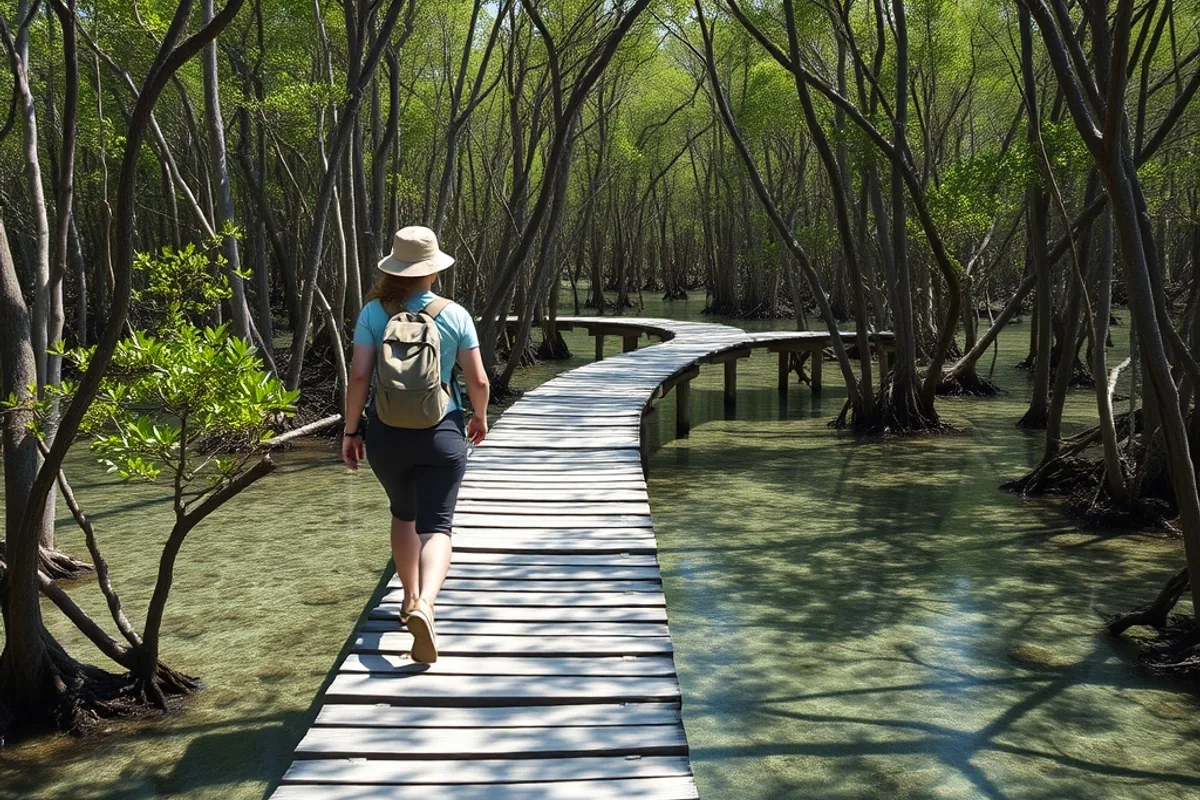
Bohinj is what a car-free valley looks like when it works. The lake is swimmable, the summer bus connects the villages, and the Julian Alps rise close enough to make every walk feel dramatic. It is also affordable by Alpine standards, with guesthouses from about €70 to €130 a night in shoulder season.
Base yourself in Ribcev Laz or Stara Fuzina and use the bus and cable car rather than driving. The Vogel cable car gives access to high trails without a car, and the Bohinj railway connects to Ljubljana in about two hours. Go in June or September to avoid the August crush.
The trade-off is weather. This is a wet Alpine valley, and a three-day rain spell is normal. Build one flexible day into the plan and carry a proper shell rather than a fashion raincoat.
The Azores, Portugal
The Azores are an exercise in restraint. The islands are green, volcanic and increasingly popular, but tourism is still concentrated on Sao Miguel and Terceira. Choose Flores or Sao Jorge and you get quiet trails, cheese farms and hot springs without a coach party.
Inter-island flights are short but not free; ferries are slower and much lower impact where they run. A week across two islands costs roughly €120 to €200 a day for two, including a small rental car, which is genuinely useful on the larger islands. Whale-watching operators should be certified and should keep their distance.
The best green choice here is to stay put. Island-hopping by plane every two days defeats the purpose. Pick two bases, rent one efficient car, and eat what the island produces.
Bhutan
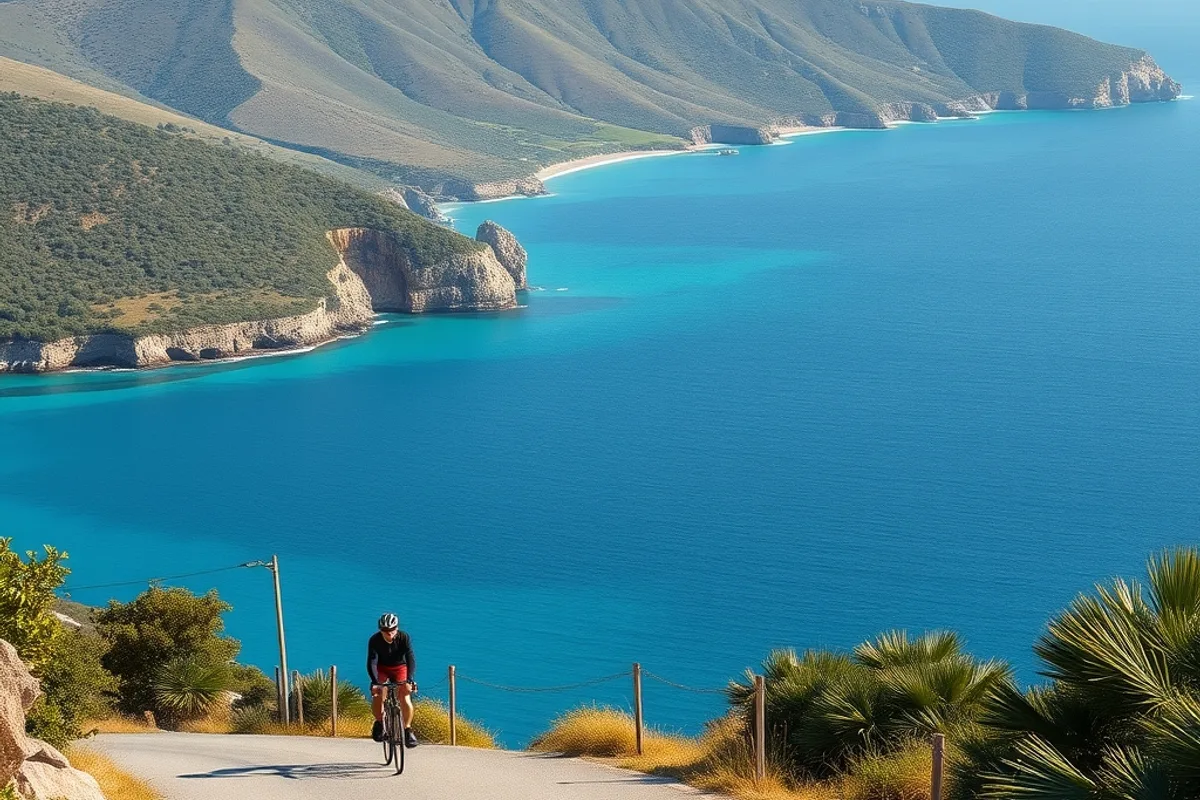
Bhutan is the clearest example of a destination that prices visitor numbers deliberately. The daily Sustainable Development Fee is not a carbon offset; it funds public services, and the country caps tourist infrastructure rather than chasing volume. That makes it expensive and, for many travellers, worth it.
Travel must be arranged through a licensed local operator, and independent backpacking is not an option. A seven-night cultural and walking trip typically starts around $3,000 to $4,500 per person including the fee, guide, transport and three-star lodging. Peak season is March to May and September to November.
Ask your operator how much of the package goes to village homestays and local guides. Bhutan's rules are strong, but the quality of the trip still depends on the company you choose.
Laikipia, Kenya
Laikipia is a plateau of conservancies, farms and wildlife corridors north of Mount Kenya. Unlike a fenced reserve, the land is shared, and the best camps pay leases to communities rather than buying them out. You see fewer vehicles and more of the economics that keep wildlife alive.
Fly into Nanyuki and stay four nights at a small conservancy camp. Rates of $350 to $600 per person per night are normal and usually include game drives, meals and conservancy fees. Ask whether the camp employs local guides and how it handles human-wildlife conflict.
The trade-off is that this is not a budget safari. If the cost is out of reach, choose a community-run camp in a less famous region rather than a cheap package that leaks money out of the area.

Palau, Micronesia
Palau introduced a mandatory environmental fee and a signed pledge for visitors years before it became fashionable. The result is not a perfect system, but the money is visible in ranger programmes and reef management. The Rock Islands are stunning, and the rules are strict for a reason.
Getting there is the main cost: flights usually connect through Guam or Taipei, and a week of diving or kayaking is not cheap. Expect $250 to $450 a day for two with a modest hotel, permits and guided water time. The Jellyfish Lake and popular dive sites have capacity limits, so book ahead.
Choose operators that brief you on reef etiquette and refuse to feed fish. The difference between a good and a bad operator is obvious within ten minutes on the water.
Lofoten, Norway
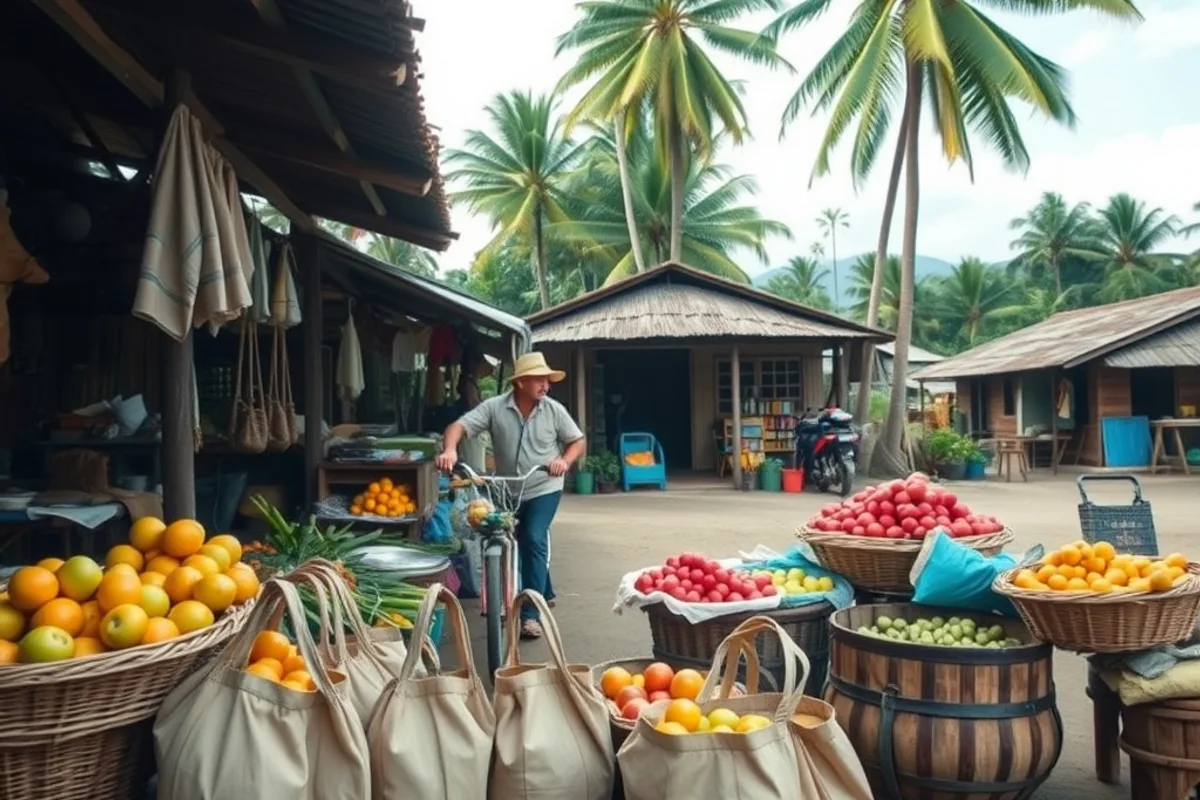
Lofoten is the northern option: fishing villages, sea eagles and mountains that fall straight into the water. It is also expensive, crowded in summer and weather-dependent. The green win comes from taking the train to Bodo and the ferry to the islands instead of flying twice.
Stay in a rorbu cabin outside the main honeypots and travel in late May or September. A week for two with a small car, self-catering and ferries runs about €1,800 to €2,800. Wild camping is restricted in many areas, so do not build a budget around it without checking local rules.
The honest verdict: Lofoten is not low-impact by distance, but it is low-impact once you arrive if you walk, cycle and stay put. Treat the journey as part of the trip, not dead time.
Costs, season and the verdict
For a first eco-focused trip, the Osa Peninsula and Bohinj are the easiest wins: both have clear conservation structures, good local transport and a range of budgets. Bhutan and Palau are better for travellers who want regulation and can pay for it. Laikipia and Lofoten reward those who accept high costs in exchange for extraordinary landscapes.
Whatever you choose, book the certified guide before the hotel, check the park permit rules on the official site, and leave one day unplanned. The greenest decision is often to stay longer, spend locally and move less. That also happens to make a better holiday.
The greenest trip is rarely the one with the most stamps in the passport. It is the one that pays the place properly and stays long enough to notice it.
What to do next
Start with the destination that matches your tolerance for slow transport, not the one with the best Instagram grid. Then check the park fee, the guide licence and the lodge's waste policy before you pay a deposit.
For more practical planning, read our green travel checklist and our week-long budget guide.
Official source: UN Tourism.