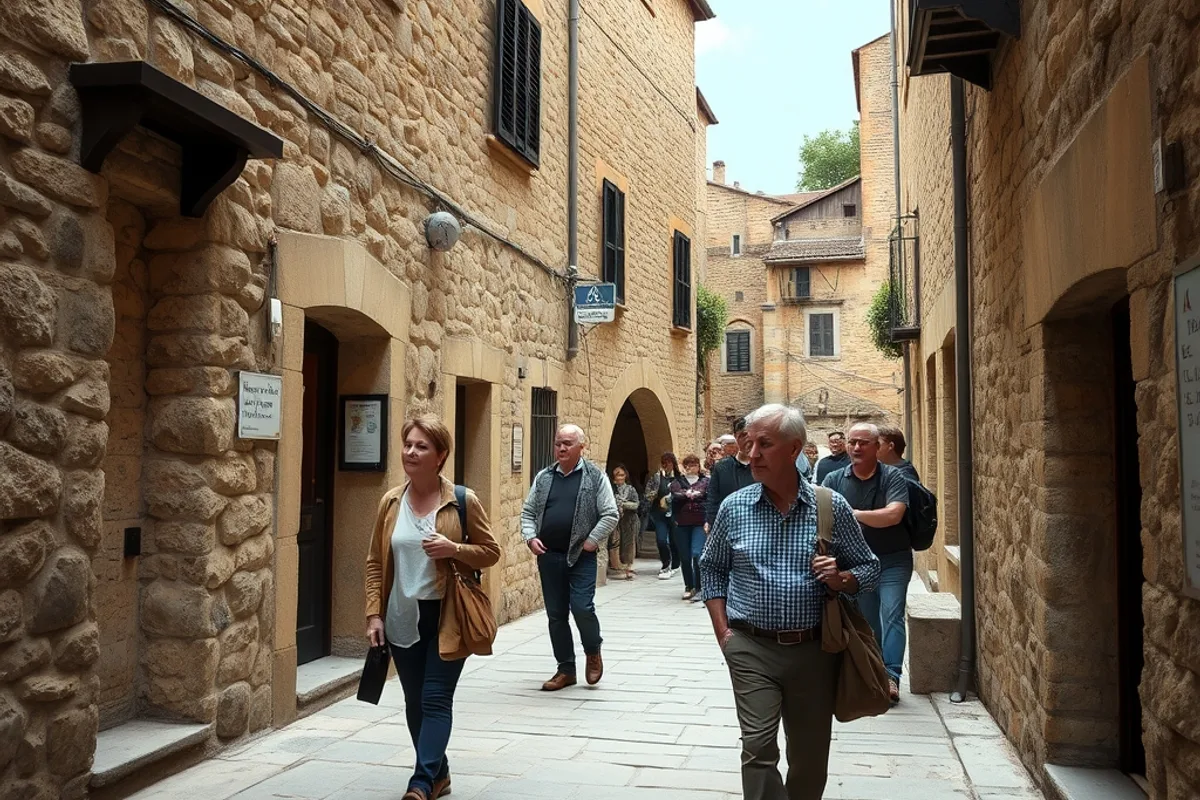
Responsible cultural tourism is not about being quiet or apologetic. It is about being useful: paying local people properly, respecting the rules of a place and leaving the kind of impression that makes the next visitor welcome.
These eight habits are practical. None requires a certification or a new wardrobe. They do require you to think about the transaction behind the experience, which is usually where the difference is made.
Key facts
- A local guide usually keeps more money in the community than a large international tour.
- Ask before taking photos of people, ceremonies and religious sites; a smile is not consent.
- Dress for the place, not the weather alone, especially at temples and in residential areas.
- Buying directly from artisans supports skills that markets and middlemen often erase.
- Avoid orphanage tourism and any experience that treats poverty as an attraction.
1. Hire a local guide
A good local guide does more than point at buildings. They translate context, warn you about scams and tell you which neighbourhoods are worth your time. The fee stays in the community, and the quality of the trip improves immediately.
Ask the hotel or a local tourism office for a licensed guide rather than accepting the first person who approaches you at a station. Agree on the duration, price and language before you start. A half-day is usually enough to get oriented.
2. Ask before you photograph
Photographing people, ceremonies and religious sites without permission turns a place into a backdrop. Ask with a gesture and respect a refusal. If a guide says no photography, put the camera away.
Do not photograph children without a parent's consent, and never pay for a posed photo of a child. If you want to support a community, buy something or make a donation to a local organisation instead.
3. Dress for the place
Cover shoulders and knees at temples, monasteries and mosques, and carry a scarf that can double as a wrap. In conservative neighbourhoods, dressing modestly is a sign of respect and often makes you less conspicuous.
This is not about erasing your identity. It is about reading the room. A beach outfit in a hill town is not a crime, but it does mark you as someone who has not noticed where they are.
4. Buy directly from makers
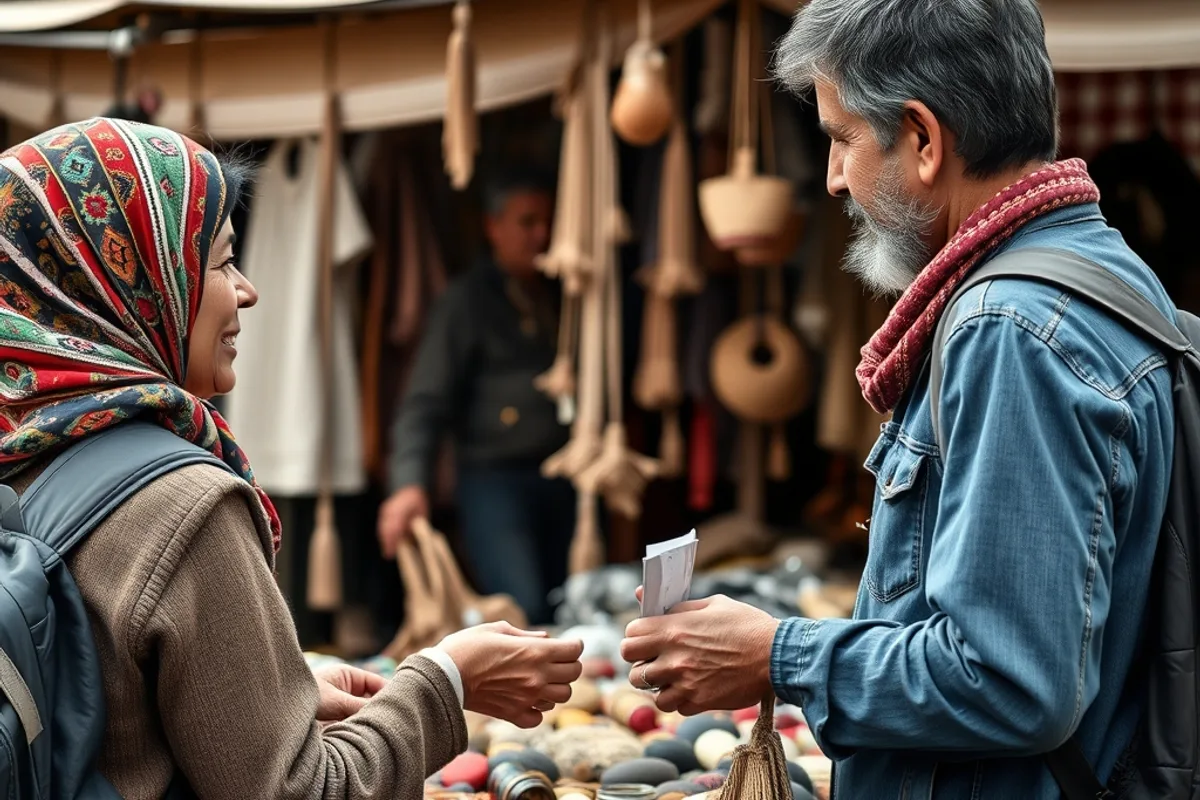
Crafts are a living economy. Buy from the workshop or a cooperative rather than a souvenir shop selling imported copies. Ask how the piece was made and who made it. Pay the asking price without turning bargaining into a performance.
If you want a bargain, buy less rather than pushing the price down. A fair price keeps the skill alive; a crushed price often pushes the maker toward cheaper materials and mass-produced designs.
5. Choose homestays and local-owned lodges
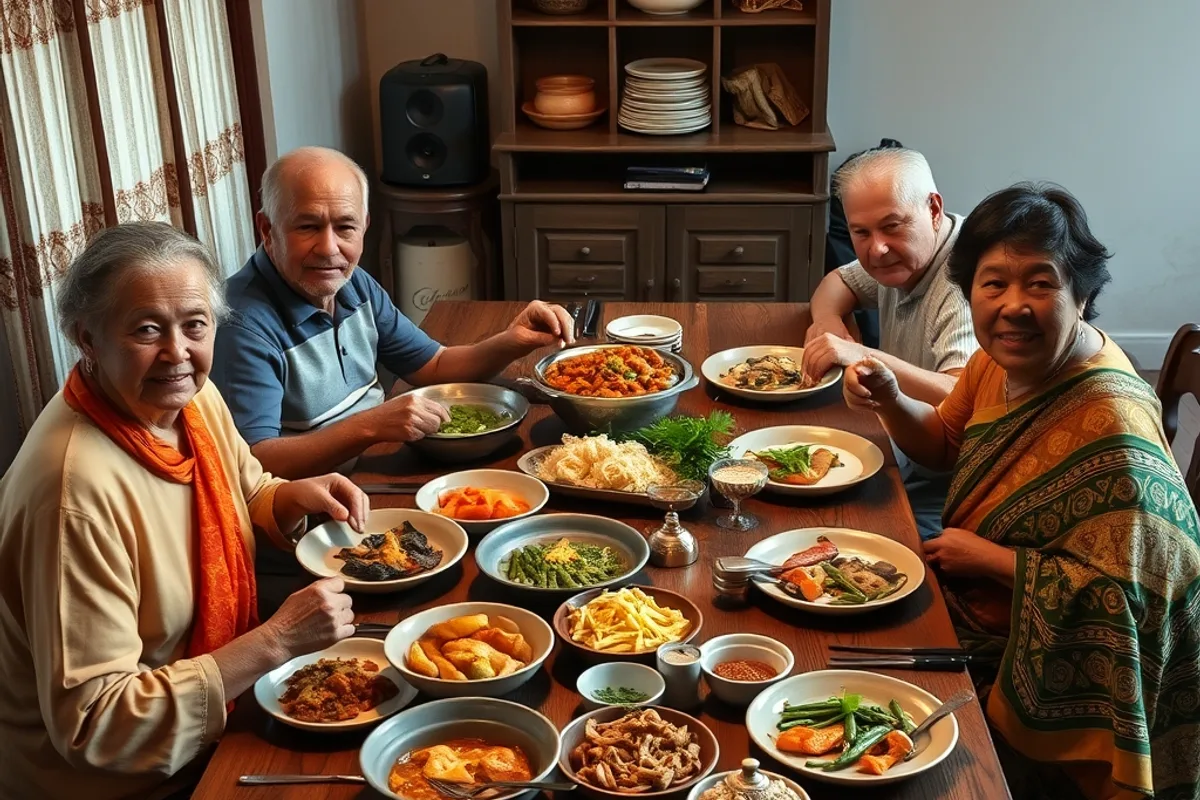
A locally owned guesthouse keeps more money in the area and gives you a better chance of understanding daily life. Ask who owns the property and where the staff are from. A chain hotel can be a good employer, but it is not the same thing.
Respect house rules, learn a few words of the local language and do not treat a family home like a hotel. If you want privacy and late nights, choose a hotel instead. A homestay is a shared space.
6. Respect sacred sites and ceremonies
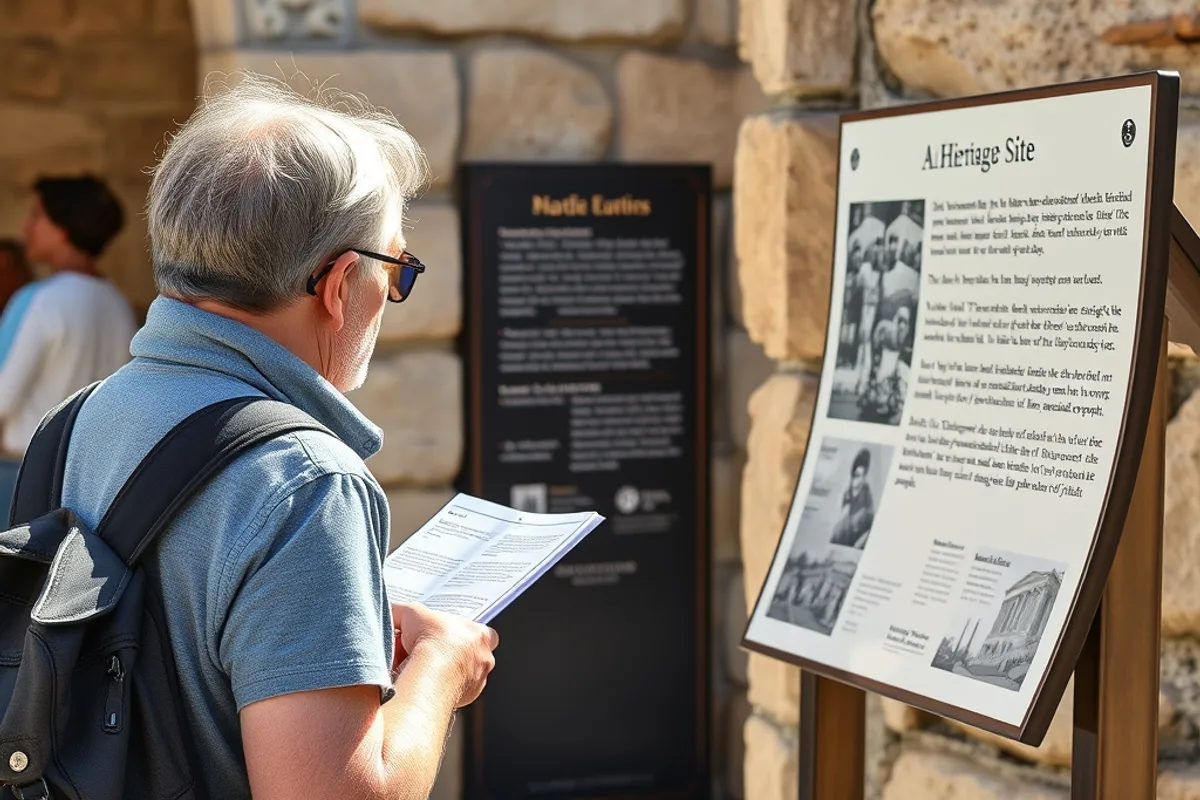
Check the rules before you enter. Some sites require shoes off, covered hair or silence. Some ceremonies are closed to visitors. If you are unsure, ask or stay at the edge rather than wandering in.
Do not use flash, drones or tripods where they are prohibited. Do not touch artefacts. If a ceremony is happening, watch from a respectful distance and leave if you are asked to. Being present is a privilege, not a right.
7. Spend where it stays
Eat at local restaurants, use local transport and buy from local shops. A big share of tourism money leaks out through imported food, international chains and package operators. A small shift in where you spend makes a visible difference.
Pay in local currency where possible, tip according to local norms and do not ask for discounts that undercut wages. If you use a tour, ask how much goes to the guide and the community before you book.
8. Avoid poverty and orphanage tourism
Visits to orphanages, slum tours and "poor village" experiences often exploit the people they claim to help. Children can become attached to a rotating stream of visitors, and the money can create incentives to keep families apart. Choose community-run projects with transparent governance instead.
If you want to volunteer, commit time and skills, not just a day. Short-term unskilled volunteering often costs the host more than it gives. A donation to a local organisation with a public audit is usually more useful than a photo opportunity.
The responsible traveller's checklist
Hire local, ask before photographing, dress for the place, buy from makers, choose local-owned stays, respect sacred sites, spend where it stays and avoid exploitation dressed as tourism.
None of this makes a trip less enjoyable. It makes it more memorable, because the people you meet are more likely to welcome you as a guest rather than tolerate you as a transaction.
Respect is not a fee you pay at the entrance. It is the way you behave when nobody is checking.
What to do next
Pick one local-owned stay and one direct-from-maker purchase for your next trip. Those two choices do more than a list of rules.
For destination ideas, read the best cultural tourism destinations. For greener habits, see how to travel green.
Official source: UNESCO World Heritage Centre.