Hotel Comfort Tips for Stress-Free Travel

Achieving a restorative and seamless travel experience often depends on the accommodations chosen. Opting for a stress free hotel ensures that every moment, from check-in to bedtime, supports relaxation, convenience, and mental clarity. Thoughtful room design, attentive service, and strategic amenities work in concert to minimize friction and enhance comfort, allowing travelers to focus on exploration, productivity, or leisure without unnecessary distractions.
Choosing the Right Location
Location is a critical factor in minimizing travel-related stress. Hotels situated near airports, train stations, or major highways reduce transit time and logistical complications. Proximity to local attractions, restaurants, and shopping districts allows for spontaneous exploration without long commutes. Selecting a property that balances accessibility with tranquility ensures that travelers can enjoy both convenience and serenity.
Room Layout and Functionality
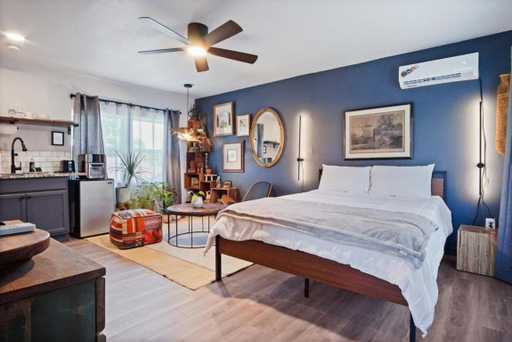
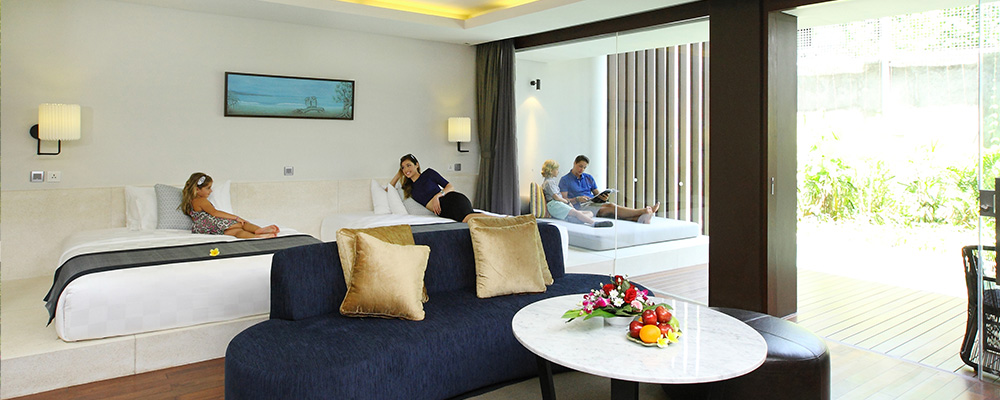
A well-designed room is central to a stress-free hotel experience. Open floor plans with ample circulation space reduce a sense of confinement. Ergonomic furniture, versatile seating arrangements, and strategically placed lighting enhance usability and comfort. Thoughtful storage solutions for luggage and personal items help maintain order, reducing visual clutter and mental strain. A room that accommodates both work and relaxation fosters ease and efficiency.
Sleep Optimization
Restful sleep is essential to stress-free travel. High-quality mattresses, supportive pillows, and soft linens facilitate deep, restorative rest. Blackout curtains, soundproofing, and optimal room placement minimize disturbances. Temperature control, layered bedding, and ambient lighting adjustments allow guests to personalize their environment for maximum comfort. Prioritizing sleep ensures energy, focus, and emotional equilibrium throughout the trip.
Lighting and Ambiance
Lighting plays a crucial role in creating a calming atmosphere. Layered illumination, including overhead, task, and accent lighting, allows guests to customize their environment. Natural light energizes daytime activities, while soft, indirect lighting promotes relaxation in the evening. Proper lighting supports mood regulation, productivity, and rest, contributing significantly to a stress-free hotel experience.
Climate Control and Air Quality
Thermal comfort and air quality directly affect guest well-being. Adjustable thermostats, efficient ventilation, and access to fresh air allow travelers to maintain a pleasant environment. Supplemental items such as portable fans or blankets provide additional adaptability, particularly in boutique or older properties. Optimal climate control reduces discomfort, allowing guests to focus on leisure, work, or restorative rest.
Noise Reduction and Privacy
Sound management enhances relaxation and focus. Rooms located away from elevators, busy corridors, or external noise sources create a serene environment. Soundproofing, double-glazed windows, and soft furnishings absorb disruptive sounds, promoting uninterrupted sleep and peace of mind. Privacy, both auditory and visual, ensures that travelers can unwind without external intrusions, reinforcing the feeling of sanctuary.
Thoughtful Amenities
Amenities contribute significantly to a stress-free hotel experience. In-room conveniences such as Wi-Fi, charging ports, mini-fridges, and coffee makers streamline daily routines. Wellness facilities, pools, and spa services provide opportunities for relaxation and recovery. Accessible laundry options, luggage storage, and concierge assistance reduce logistical stress, ensuring that travelers can focus on enjoyment rather than mundane tasks.
Culinary Considerations
Dining options impact both comfort and convenience. Hotels offering flexible meal schedules, room service, and healthy, locally sourced choices support traveler satisfaction. Quick grab-and-go options or customizable menus accommodate varied schedules, ensuring nourishment without stress. Thoughtful culinary offerings enhance both physical and emotional well-being, contributing to a cohesive sense of relaxation.
Personalized Service
Attentive and anticipatory service is a hallmark of a stress-free hotel. Staff who recognize guest preferences, offer timely assistance, and provide local guidance reduce friction and uncertainty. Personalized touches, such as welcome amenities or curated activity suggestions, create an environment of ease and reassurance. Effective service allows guests to focus entirely on their experience, fostering confidence and comfort.
Recreational and Leisure Opportunities
Incorporating opportunities for both activity and relaxation supports overall well-being. Hotels that provide fitness areas, wellness programs, or tranquil lounges allow guests to manage energy levels and stress. Access to guided tours, cultural experiences, or scenic spaces encourages engagement without the pressure of planning logistics. These elements ensure that a hotel stay balances stimulation and repose.
Attention to Minor Details
Small interventions often produce outsized effects on comfort. Ergonomic furniture, ambient scents, well-placed outlets, plush towels, and intuitive room organization reduce friction and enhance satisfaction. Thoughtful touches such as adjustable lighting, soft bathrobes, or easy-access storage create a seamless experience. Attending to these details reinforces a stress-free hotel environment, allowing travelers to feel cared for and fully at ease.
Creating a Cohesive Experience
Ultimately, stress-free hotel stays rely on the harmonious integration of location, room design, amenities, and service. Each element, from sleep optimization and climate control to culinary offerings and personalized attention, contributes to a stay that fosters relaxation, focus, and mental clarity. Prioritizing these aspects transforms a routine hotel visit into an oasis of calm and efficiency, ensuring that travel remains enjoyable, restorative, and free of unnecessary stress.