Affordable Stays Without Sacrificing Hotel Comfort
Securing accommodations that combine value and relaxation requires strategy and discernment. Achieving affordable hotel comfort is not merely about choosing the lowest price; it involves identifying properties that optimize amenities, cleanliness, and tranquility without inflating costs. Savvy travelers know that thoughtful planning can yield lodgings that are both economical and indulgent, transforming modest budgets into surprisingly luxurious experiences.
Prioritizing Location and Accessibility
Location is a decisive factor in balancing cost and comfort. Hotels situated slightly outside city centers often provide lower rates while maintaining quality service. Evaluate proximity to public transport, major attractions, and dining options. Sometimes a short commute is preferable to paying a premium for central positioning. Choosing neighborhoods with quieter streets and scenic surroundings can further enhance your stay, creating a sense of serenity often absent in more bustling zones.
Evaluating Room Quality
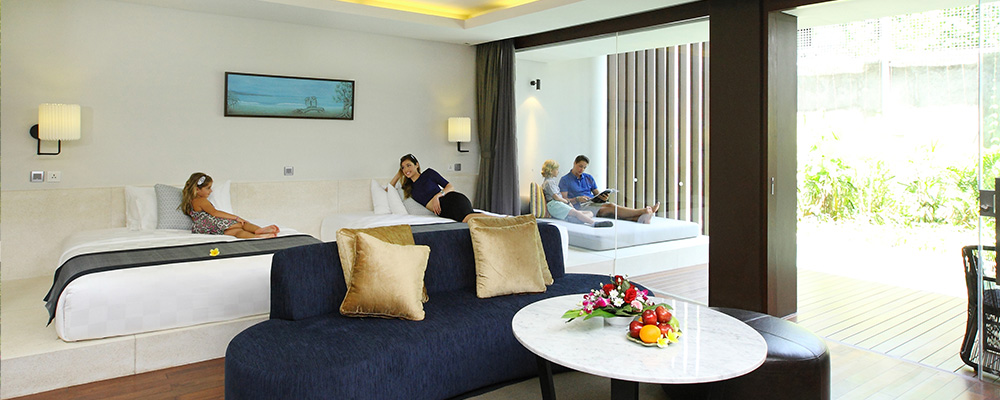
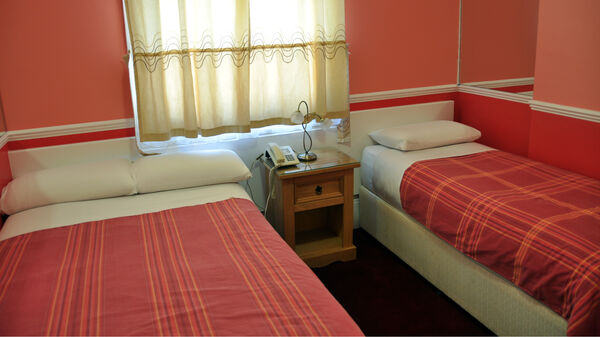
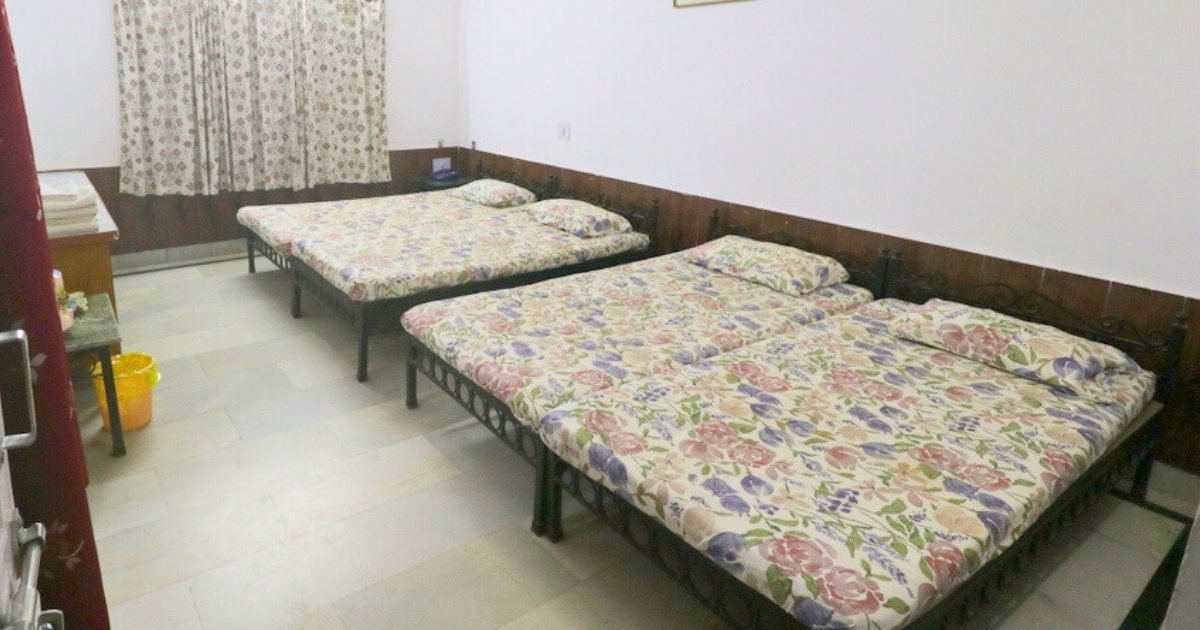
Room selection directly affects comfort and perceived value. Even budget accommodations can offer generous layouts, functional furniture, and thoughtful lighting. Inspecting photos, reading detailed reviews, and confirming room dimensions prior to booking ensures a space that meets basic comfort expectations. High ceilings, natural light, and uncluttered design contribute to a sense of openness, making even smaller rooms feel welcoming and restful.
Sleep and Bedding Considerations
Sleep quality is paramount to comfort. A firm mattress, supportive pillows, and quality linens can dramatically improve restfulness. Many hotels provide options to request additional pillows or blankets, enhancing customization. Noise management also plays a role: selecting rooms away from elevators, main roads, or communal areas ensures quieter nights. Even in budget-conscious accommodations, these adjustments can create a restful and rejuvenating environment.
Leveraging Amenities Wisely
Amenities need not be extravagant to enhance comfort. Essentials such as climate control, reliable Wi-Fi, blackout curtains, and functional workspaces significantly impact convenience and well-being. On-site conveniences like vending machines, laundry facilities, or mini-fridges reduce dependency on costly alternatives. When evaluating options, prioritize practical amenities that align with personal routines, rather than paying for luxury features that may go unused.
Cleanliness and Maintenance
Hygiene and upkeep are non-negotiable aspects of comfort. Budget properties vary in their standards, so examining guest reviews for cleanliness, prompt maintenance, and attentiveness is essential. Even minor lapses, such as worn carpets or inconsistent housekeeping, can compromise the perception of comfort. Hotels that demonstrate meticulous upkeep create an environment where affordable pricing does not equate to diminished quality.
Noise Management and Room Placement
Sound is a subtle yet significant determinant of comfort. Budget accommodations can achieve tranquility through strategic room selection. Verify window quality, door seals, and room orientation relative to traffic or service areas. Devices like white-noise machines or personal earplugs provide additional layers of auditory insulation, ensuring uninterrupted rest. Even modest adjustments can elevate a simple stay to a genuinely relaxing experience.
Technology and Connectivity
Reliable technology contributes to a seamless stay. Free or stable Wi-Fi, accessible power outlets, and adequate lighting support both work and leisure. Portable chargers and adapters prevent frustration from incompatible devices. Some travelers find it beneficial to designate specific areas for productivity and relaxation within the room, establishing a sense of structure and efficiency. Proper technology integration enhances both convenience and perceived value.
Strategic Booking and Timing
Timing and method of booking can dramatically influence affordability without compromising comfort. Off-peak travel, mid-week stays, and early reservations often yield lower rates. Flexible cancellation policies allow adjustments without financial penalty. Utilizing loyalty programs or promotional offers can secure rooms that balance cost and quality. Thoughtful timing and strategic booking decisions transform budget-conscious plans into comfortable stays.
Personalized Comfort Practices
Even economical accommodations can feel luxurious with small personal touches. Bringing preferred toiletries, a travel pillow, or familiar linens increases tactile satisfaction. Organizing personal items efficiently and creating small routines, such as evening meditation or stretching, enhances the sense of control and well-being. Travelers who invest in personal comfort practices often experience stays that feel more indulgent than the price would suggest.
Staff Engagement and Service
Staff interaction significantly impacts the perception of comfort. Polite, attentive service can make a modest property feel welcoming and responsive. Communicating preferences early, from room requests to dietary needs, enables staff to provide tailored support. Even budget hotels that prioritize responsive, personalized service can deliver experiences that rival more expensive counterparts in terms of satisfaction.
Maximizing Value Without Sacrifice
Ultimately, achieving affordable hotel comfort is a synthesis of strategic selection, attention to detail, and proactive planning. By prioritizing location, amenities, sleep quality, noise management, and personal rituals, travelers can enjoy stays that are both economical and restorative. Small adjustments and deliberate choices allow budget-conscious accommodations to offer experiences that rival higher-priced alternatives, ensuring value without compromising comfort.