Adventure Trips with Hotel Comfort in Mind

Combining the thrill of exploration with restful accommodations is essential for a balanced travel experience. Experiencing adventure hotel comfort ensures that high-energy excursions are complemented by spaces designed for restoration, convenience, and indulgence. From rugged outdoor adventures to urban explorations, hotels that prioritize comfort allow travelers to recharge fully, maintain focus, and enjoy each element of their journey without compromise.
Choosing the Ideal Location
Location is paramount when balancing adventure and comfort. Hotels situated near hiking trails, rivers, or ski slopes reduce travel time and maximize engagement with activities. Proximity to urban amenities, cultural attractions, and transportation hubs also supports logistical ease. Selecting accommodations that blend accessibility with scenic or adventurous surroundings allows guests to seamlessly transition from exploration to relaxation.
Room Design and Layout
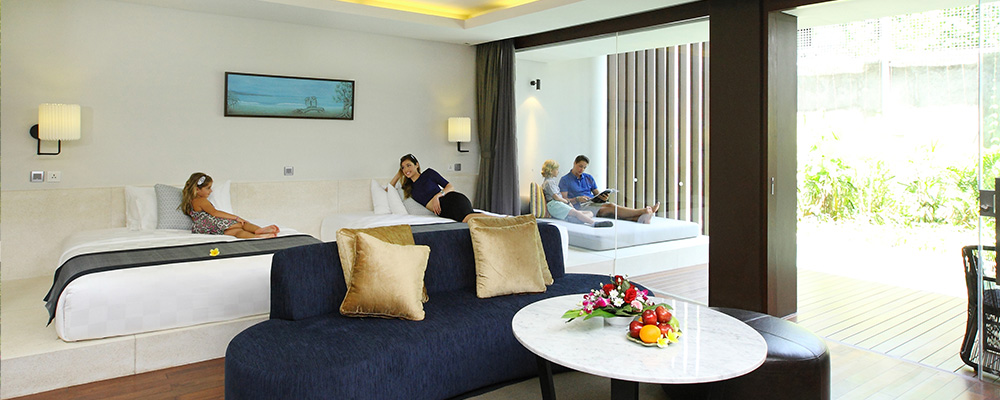
The interior of an adventure-oriented hotel must support both relaxation and practicality. Open layouts with sufficient circulation space accommodate gear storage, while ergonomic furniture ensures rest and usability. Rooms equipped with adaptable storage, seating nooks, and ambient lighting enhance both comfort and functionality. Thoughtful spatial design creates a welcoming retreat after physically demanding days, allowing travelers to decompress without feeling confined.
Bedding and Sleep Quality
Restorative sleep is critical for adventure trips. Premium mattresses, supportive pillows, and high-quality linens ensure deep, uninterrupted rest. Blackout curtains and soundproofing minimize disturbances from external environments, while climate control systems enable personalized temperature settings. Additional touches, such as weighted blankets or plush throws, provide tactile comfort, helping travelers recuperate after active excursions.
Lighting and Ambiance
Lighting contributes significantly to the perception of adventure hotel comfort. Dimmable overhead lights, task lamps, and soft accent lighting allow guests to tailor their surroundings for work, reading, or relaxation. Large windows that capture natural light during the day enhance energy and mood, while subtle evening illumination fosters calm and restorative rest. Proper lighting encourages both activity and leisure within the hotel space.
Climate and Environmental Control
Effective temperature and air quality management are essential for guest comfort after outdoor activities. Adjustable thermostats, ventilation systems, and layered bedding allow travelers to regulate their environment according to personal preference. Portable fans or supplemental blankets provide additional flexibility, particularly in properties located in variable climates. These controls ensure a consistently pleasant atmosphere conducive to rest and preparation for future adventures.
Amenities That Support Adventure
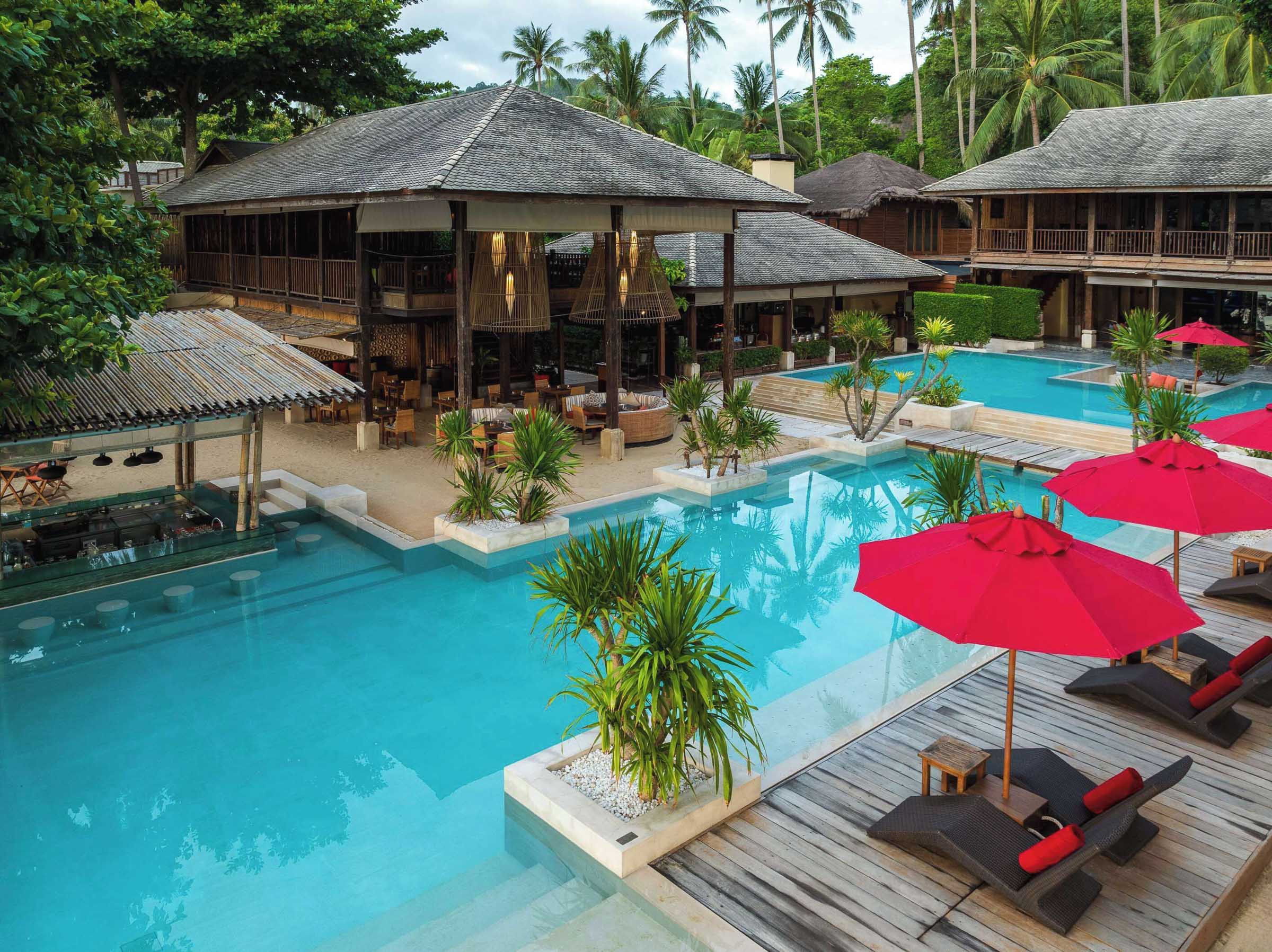
Hotels catering to adventure travelers incorporate amenities that enhance both convenience and indulgence. Secure gear storage, laundry facilities, and drying areas accommodate active lifestyles. In-room conveniences such as coffee makers, mini-fridges, and charging stations streamline routines. On-site wellness facilities, pools, or spa services offer opportunities to relax and recover, creating a balance between exertion and comfort.
Noise Management and Privacy
Acoustic considerations are critical for restorative stays. Rooms positioned away from high-traffic areas, elevators, or event spaces reduce unwanted noise. Soundproofing and soft furnishings mitigate auditory disruptions, allowing uninterrupted sleep and relaxation. Effective privacy and noise management reinforce the perception of safety and comfort, essential after physically demanding activities.
Culinary Offerings
Nutrition plays a pivotal role in adventure hotel comfort. Hotels offering locally sourced, balanced, and flexible dining options support both energy replenishment and convenience. In-room dining, grab-and-go meals, or early breakfast services cater to varying schedules, ensuring travelers can fuel up before excursions. Thoughtful presentation, dietary accommodation, and flavor diversity contribute to both enjoyment and restorative comfort.
Recreational and Wellness Opportunities
Even hotels focused on adventure include spaces for low-intensity recreation and wellness. Yoga studios, stretching areas, or guided meditation sessions aid recovery and flexibility. Pools, fitness centers, and walking trails allow for gentle activity that complements more strenuous excursions. These facilities provide balance, enabling travelers to maintain health, reduce fatigue, and enhance overall comfort during their stay.
Personalized Service
Service excellence is integral to adventure hotel comfort. Staff trained to support active travelers can provide local guidance, equipment recommendations, or personalized itineraries. Prompt housekeeping, concierge assistance, and attention to guest preferences create a seamless experience. Personalized service reduces stress, allowing travelers to focus entirely on their adventures and recovery without logistical concerns.
Attention to Small Details
Subtle elements significantly enhance comfort for adventure travelers. Accessible power outlets, well-placed storage for gear, plush bathrobes, and ambient scents improve both usability and sensory satisfaction. Thoughtful touches, such as in-room drying racks, extra towels, or ergonomic seating, make a tangible difference in post-adventure relaxation. These details reinforce the perception that comfort can coexist with rugged, exploratory lifestyles.
Harmonizing Adventure and Comfort
Ultimately, adventure hotel comfort depends on integrating functional design, restorative amenities, and attentive service into a cohesive experience. Each element, from sleep quality and climate control to culinary offerings and recreational spaces, contributes to a stay that supports both high-energy activity and restorative relaxation. By prioritizing comfort alongside adventure, travelers can fully engage with their surroundings while enjoying spaces that nurture recovery, indulgence, and well-being.