Secrets to Unmatched Hotel Comfort

Achieving unmatched hotel comfort requires more than selecting a high-end property; it demands an understanding of subtleties that elevate an ordinary stay into an extraordinary experience. Every detail, from room orientation to service nuances, contributes to an environment that feels both luxurious and effortlessly relaxing. Travelers who master these elements enjoy an experience that transcends conventional hospitality, creating spaces that are both restorative and indulgent.
Selecting the Ideal Location
Location dictates convenience and serenity simultaneously. Opt for neighborhoods that balance accessibility with tranquility. Properties slightly removed from city hubs often provide quieter surroundings while maintaining proximity to key attractions. Evaluate access to public transportation, dining, and essential services. Streets lined with trees or scenic vistas enhance visual comfort, while proximity to bustling avenues can increase ambient noise. Strategic location choices lay the foundation for a stress-free and comfortable stay.
Prioritizing Room Layout and Design
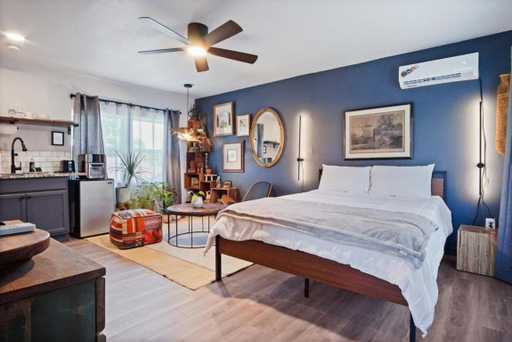
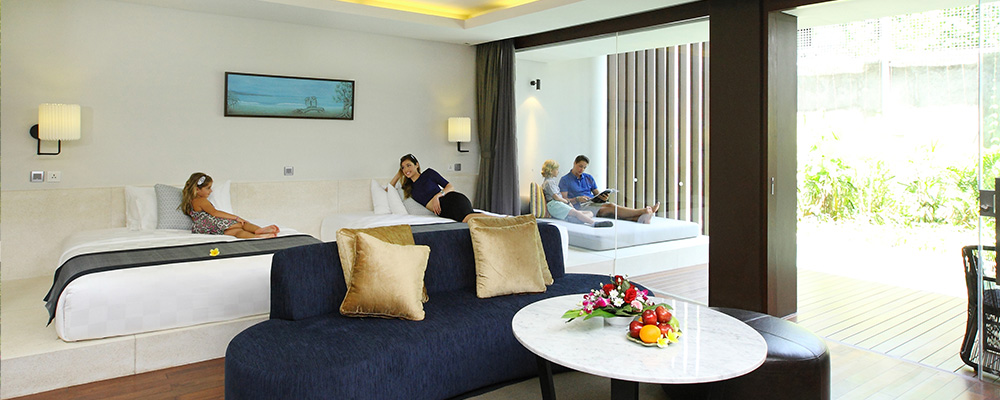
Room configuration directly impacts both functionality and relaxation. Spacious layouts allow for freedom of movement, while well-placed furniture minimizes obstruction. Elements such as high ceilings, large windows, and natural light create a sense of expansiveness. Subtle design choices, like soft color palettes and textured materials, contribute to an environment that feels sophisticated without being ostentatious. Paying attention to these details transforms a room from a temporary lodging into a sanctuary.
Bedding and Sleep Optimization
Sleep is the cornerstone of comfort. Inspect mattresses, pillows, and linens for quality and suitability. Many hotels offer pillow menus or additional bedding to cater to individual preferences. Positioning pillows to support spinal alignment and layering blankets for temperature regulation can enhance restfulness. Soundproofing, blackout curtains, and the strategic placement of furniture reduce disturbances, ensuring uninterrupted sleep. Proper attention to these elements is essential for sustaining energy and wellbeing throughout the stay.
Temperature and Climate Control
Thermal comfort profoundly influences perception of luxury. Test room thermostats immediately upon arrival and request supplemental blankets or fans if needed. Layering clothing and choosing breathable fabrics aid in maintaining equilibrium despite fluctuations in room temperature. Some properties offer advanced climate systems that allow precise control, but even modest adjustments in traditional settings can markedly improve comfort.
Lighting and Atmosphere
Lighting affects mood, focus, and relaxation. Adjustable lamps, dimmable overhead fixtures, and blackout curtains facilitate control over brightness levels. Natural light enhances vitality, while soft indirect lighting promotes calm. Travelers sensitive to illumination may consider supplemental tools, such as compact lamps or sleep masks, to curate a personal ambiance. A thoughtfully lit room fosters serenity and supports the overall comfort experience.
Sound Management
Acoustic comfort is often overlooked yet pivotal. Evaluate room proximity to elevators, service corridors, or streets with heavy traffic. Devices like white-noise machines or noise-canceling headphones can mitigate disturbances. Even minor adjustments, such as closing windows or repositioning furniture, enhance auditory insulation. A quiet environment allows for uninterrupted sleep and relaxation, reinforcing the perception of luxury regardless of the property’s rating.
Leveraging Amenities
Amenities significantly enhance both convenience and perceived comfort. Essentials include in-room climate control, reliable Wi-Fi, functional workspaces, and blackout curtains. On-site offerings, such as fitness centers, spas, and dining options, provide additional layers of satisfaction. Thoughtful utilization of these features ensures that even short stays feel indulgent and well-appointed. Choosing properties that offer targeted amenities aligned with personal routines maximizes comfort.
Engaging Staff and Service
Professional, attentive staff elevate the overall experience. Concierge expertise can guide dining, local excursions, and cultural experiences. Clear communication of preferences, from room placement to dietary needs, ensures tailored service. Hotels that anticipate and respond promptly to requests create an environment where every detail contributes to comfort. Personalized service transforms routine hospitality into a seamless, memorable experience.
Attention to Small Details
Minor considerations often have an outsized impact. Organizing personal belongings for easy access, bringing travel-sized toiletries, or using favorite bedding accessories increases tactile comfort. Even elements like the proximity of power outlets, availability of water, or small conveniences such as slippers can enhance the sense of well-being. Travelers who anticipate and incorporate these subtleties often find their stay far more comfortable than expected.
Creating a Personal Comfort Routine
Establishing rituals within the room reinforces a sense of familiarity and control. Morning stretches, meditation, journaling, or even arranging furniture to suit personal preference contributes to a customized environment. Combining environmental adjustments with personal routines ensures that the room supports both physical relaxation and mental clarity. These practices make each stay feel uniquely tailored and exceptionally comfortable.
Flexibility and Adaptability
Flexibility in booking, room choice, and schedule enhances comfort. Being open to room upgrades, alternate floor levels, or minor adjustments allows travelers to optimize their experience. Hotels that accommodate special requests or provide options for personalization often achieve higher levels of guest satisfaction. Adaptability ensures that comfort is maintained even when circumstances change unexpectedly.